From cultural discoveries to breathtaking natural wonders, this itinerary is designed to inspire every type of traveller. Each experience has been carefully selected to offer meaningful insight, memorable stories, and a deeper connection to the places you visit.



Fly from UK to Delhi.
Arrive Delhi. Meeting and assistance on arrival by Novaturient’s representative and transfer to the Colonels Retreat for 2 nights.
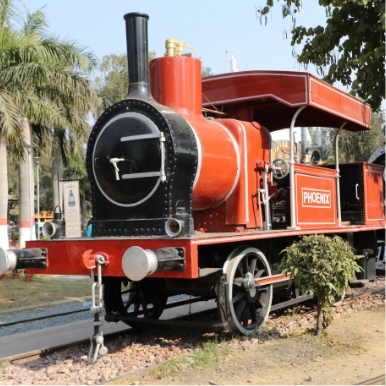
Morning visit the National Rail Museum to explore the history of Indian Railways. Discover the railway’s rich historic heritage in the company of rare steam, diesel and electric locos, royal saloons and a wealth of artifacts. Afternoon sightseeing includes 16th C. Humayun’s Tomb, the first ‘garden tomb’ and drive past India Gate. Finally visit the Bangla Sahib Sikh Temple which feeds thousands of people every day through its huge community kitchen.
Morning Gatimaan express train to Agra. Check in at the Boutique Ekaa Villa for overstay stay. Afternoon visit the Agra Fort, a remarkable building highlighting the mighty Mughal dynasty’s supreme power! At sunset absorb the beauty of the sun rays caressing the Taj Mahal in the final moments before night falls.
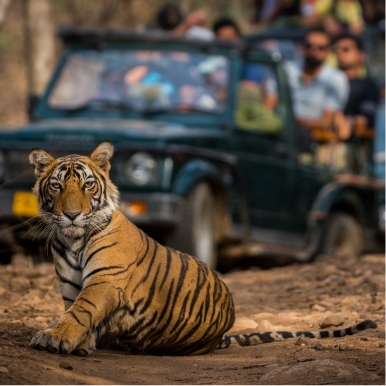
Early morning drive to the old town of Agra to see practice of kabootarbazi or pigeon flying which is carried out by around 200 families in Agra. Climb to the rooftop of a local family home to watch as the pigeons are released and swoop skywards. This is a traditional experience and is absolutely fascinating to watch. After breakfast drive to Bharatpur Railway station to board the train for Ranthambhore, enroute visit deserted Mughal city of Fatehpur Sikri. Stay at The Sawai Vilas for 2 nights. Ranthambore Tiger Reserve is one of the finest tiger reserves in the country under the Project Tiger. The majestic predators are quite often spotted and at close quarters! The sanctuary has a large number of wildlife including sambhar, chital, nilgai, chinkara, langur, wild boar, peafowl and of course the King of the Jungle- the Great Indian Tiger.
Early morning shared jeep safari in Ranthambhore Tiger Reserve, cameras are essential as the chance of spotting wildlife is very high. Later visit Dhonk – Creation of Craft for Conservation. The Dhonk village is a unique project embracing the local people, their crafts and of course the wildlife. It aims to provide a sustainable livelihood to people living near Ranthambhore, promote local talent and ensure the wildlife and habitats. Afternoon another shared jeep safari.
Early morning train to Delhi. Stay at the Colonels Retreat overnight. Afternoon at leisure, or optional visit to Akshardham Temple.
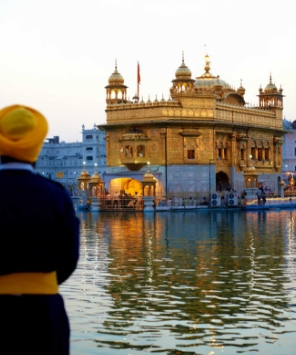
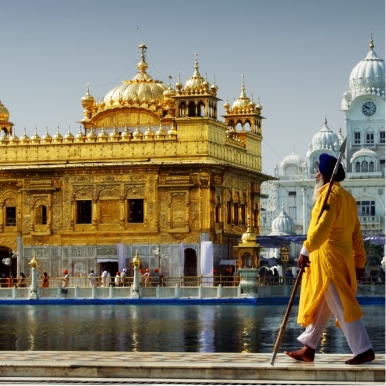
Early morning train to Amritsar. Check in at The Ranjit’s Svaasa for 2 nights. Afternoon enjoy a fascinating heritage walking tour of Amritsar. The tour commences from the historic Town Hall, through the old bazaar and ends at Golden Temple- the most sacred Sikh shrine in the World.
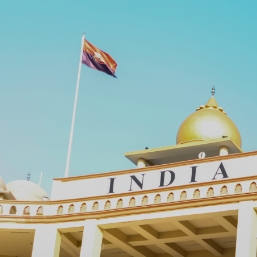
Morning visit 14th C. Golden Temple. Reflecting influences of both Hindu and Muslim styles of architecture, the Temple, standing in the middle of a tank is simply stunning. Also visit The Partition Museum & the poignantly historic Jallianwala Bagh. Afternoon drive to Atari village towards the Pakistan Border, to witness the lowering of Flag Ceremony on both sides of the Indo-Pakistan border – an over the top extravaganza on both sides!
After breakfast drive to Dharamshala, known for its large Tibetan community and home to the exiled Dalai Lama in neighbouring McLeod Ganj. On arrival check in at The Chonor House for 2 nights.
Morning sightseeing includes the Tibetan Settlement in McLeod Ganj, also the seat of HH Dalai Lama and the Norbulingka Institute, which is dedicated to the preservation of the artistic lineage of Tibetan culture and its traditional integrity. In the afternoon a relaxed walk through Mcleod Ganj Market filled with many tempting souvenirs!
Morning drive to Kangra railway station, enroute visit Kangra Art Museum. This treasure trove of the Kangra Valley displays arts, crafts and artifacts dating back to the 5th C. It includes a gallery of Kangra`s famous miniature paintings and a representative collection of sculptures, pottery and anthropological items. Continue driving to Kangra railway station and board the Kangra Narrow gauge passenger train to Guler station. This relatively unknown toy train is still used by locals for daily commuting. On arrival, transfer to the charming Judges Court for an overnight stay. Late afternoon walk through the heritage village – the only village in India with such a distinction. Founded about 3 centuries ago Pragpur has held onto the aura of an earlier period with virtually unchanged shops, cobbled streets, ornamental village tank, mud plastered and slate roofed houses. The walk ends at the riverbank where you can relax over a cup of local tea- Chai.
Morning drive to Chandigarh and check-in at the Taj Chandigarh for an overnight stay. After a sightseeing tour of Chandigarh, designed by the internationally famed Le Corbusier. Sightseeing includes the Rose Garden, Rock Garden and a drive around the city to see the architect of the government buildings.
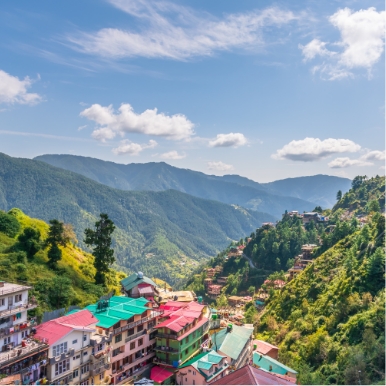
After an early breakfast drive to Kalka railway station to board the delightful toy train to Shimla. How the tiny train manages to weave its way up the twisty slopes is amazing! On arrival, transfer to the heritage Chapslee for 3 nights.
The morning guided heritage walk of Shimla is a journey down memory lane to the times of the Raj. Visits include the State Museum and Library, the impressive Vice Regal Lodge (now the Indian Institute of Advanced Studies) and the Victorian Gaiety Theatre which opened in May 1887. End the walk meandering around the colourful Mall. Rest of the day at leisure.
Today walk in the pristine lower Himalayas. The trek starts at Potters Hill and passes through Oak & Rhododendron groves, by Chadwick waterfall and a couple of local villages. After a picnic lunch, relax, before returning to Shimla.
Morning at leisure. Afternoon drive to Kalka railway station to board Shatabdi express train to Delhi. Overnight stay at Novotel Aerocity.
Transfer to the airport to board your flight back home.
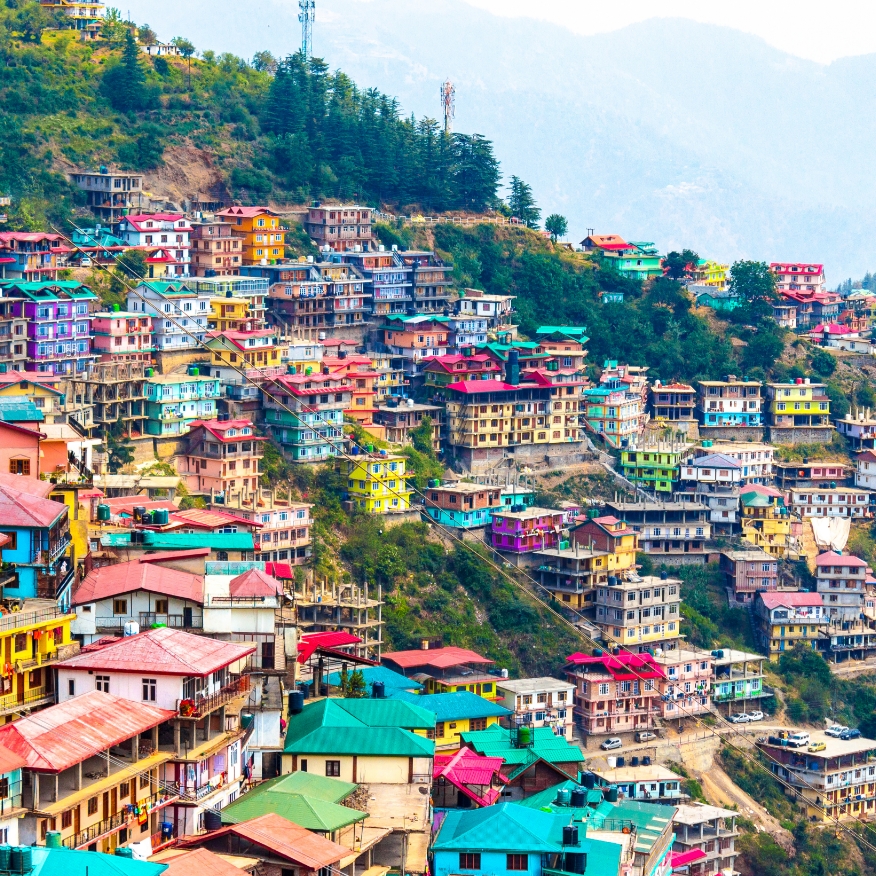
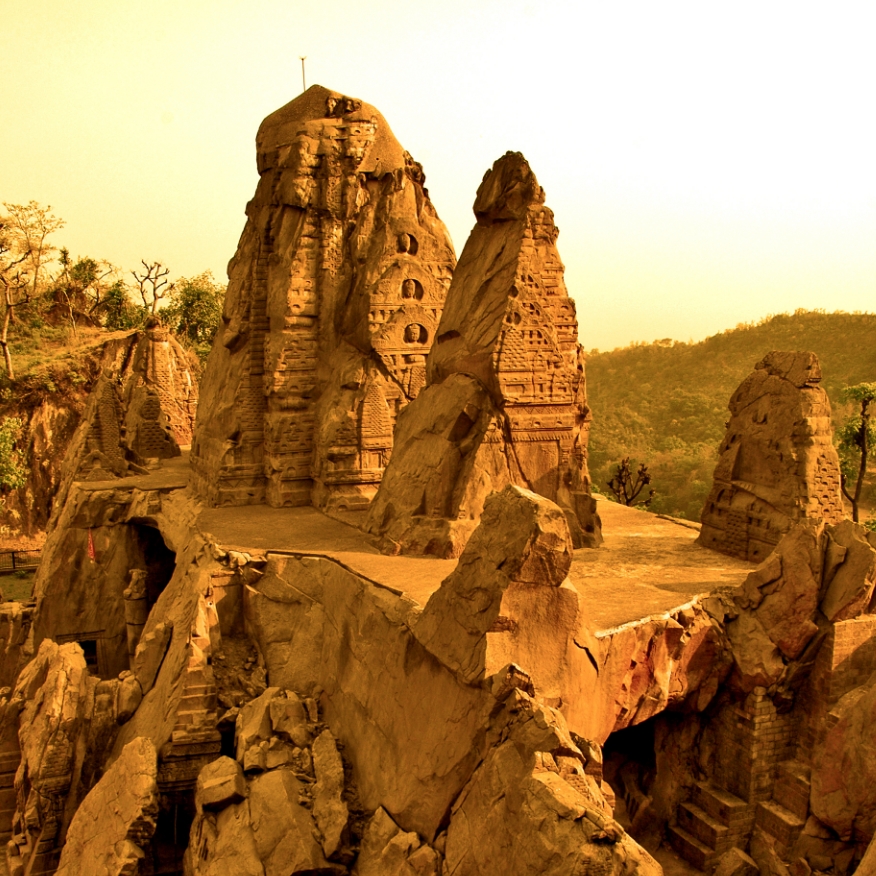
Our India itineraries are designed to showcase the country’s richness without feeling overwhelming. Travel at a considered pace, with expert guides who bring history, culture, and everyday life into focus. From classic routes such as the Golden Triangle to lesser-known regions and thematic journeys, every tour is personalised to reflect your interests and preferred style of travel.
To help you plan your journey with confidence, the FAQs below provide essential travel information for UK travellers visiting India, including visa requirements, passport validity, health guidance, and practical advice for travelling around the country.
Yes. UK passport holders must obtain a visa in advance to travel to India. Most travellers apply for an e-Visa, which can be arranged online prior to departure.
The length of stay depends on the visa type issued. Tourist e-Visas typically allow stays of up to 30, 90, or 180 days, depending on the visa selected.
Your passport must be valid for at least six months from your date of arrival in India and contain at least two blank pages.
Yes. India can be enjoyed by first-time visitors when travel is well planned. Guided tours, private drivers, and carefully paced itineraries help ensure a comfortable and rewarding experience.
The local currency is the Indian Rupee (INR). Credit and debit cards are accepted in hotels and larger establishments, but cash is widely used, particularly in smaller towns and markets.
India is generally safe for tourists, particularly when travelling with reputable operators and guides. As with any destination, travellers should take standard precautions, especially in busy urban areas.
No mandatory vaccinations are required for entry, but travellers are advised to be up to date with routine vaccinations. Medical advice should be sought before travel, particularly for longer stays.
Lightweight, modest clothing is recommended. Covering shoulders and knees is advised, especially when visiting temples, mosques, and rural areas. Comfortable footwear is essential for sightseeing.
The best time to visit most regions of India is between October and March, when temperatures are cooler and conditions are ideal for travel. Climate varies by region.
Yes. India has an extensive network of domestic flights, trains, and private road transport. Guided travel and private drivers are commonly used for comfort and convenience.
Yes. Comprehensive travel insurance is strongly recommended, covering medical treatment, cancellations, and any planned activities.
Yes. India offers a wide range of experiences suitable for families, couples, and honeymooners, from cultural tours and wildlife safaris to heritage stays and scenic retreats.