Taj & Tigers Trails

From cultural discoveries to breathtaking natural wonders, this itinerary is designed to inspire every type of traveller. Each experience has been carefully selected to offer meaningful insight, memorable stories, and a deeper connection to the places you visit.





Fly from UK to Delhi.
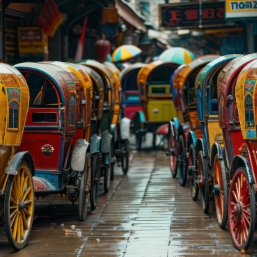
Arrive Delhi in the morning. Meeting and assistance on arrival by our representative and transfer to The Maidens Hotel for 2 nights. Afternoon explore the bustling streets of Old Delhi with guides from Salaam Baalak Trust and savour local favourite fare. This tour blends authentic flavours with inspiring stories, offering a unique way to experience the city’s culture while supporting a meaningful cause.
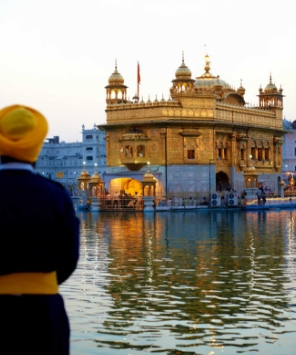
Morning Discover the charm of Old Delhi with visits to Chandni Chowk and the spice market. Take a cycle rickshaw ride from Jama Masjid through the narrow lanes lined with historic Havelis. Afternoon visit Qutab Minar and Humayun’s Tomb, drive past India Gate and the Presidential Residence, and experience Bangla Sahib Sikh Temple with its famous community kitchen.
Morning drive to Sariska & check-in at Sariska Safari Lodge for 2 nights. Experience the thrill of wildlife spotting on an afternoon game drive through Sariska National Park, set in the scenic Aravalli Hills of Rajasthan. Accompanied by expert guides, explore the park’s rugged landscapes in an open safari vehicle, searching for Bengal tigers, leopards, striped hyenas, jackals, and a variety of deer and bird species.
Exciting early morning safari in Sariska, on the lookout for tigers, leopards, deer, and exotic birds amidst the park’s forests and hills, with the magic of sunrise in the background. Explore the eerie ruins of Bhangarh Fort in the afternoon, wandering through ancient temples and palaces while hearing legends that make it India’s most haunted site.
Morning drive to Jaipur & stay at Samode Haveli for 2 nights. Afternoon explore Jaipur’s vibrant bazaars, shop for handicrafts and jeweller. Savour local street foods whilst discovering the city’s rich culinary and artisanal heritage.
Morning jeep excursion to Amber Fort. Amber is a classic, overwhelmingly romantic Rajasthani Fort Palace. The rugged, time-ravaged walls of the Fort not only look beautiful from the outside, but the interior is still stunning. Glorious miniatures painted on the walls depict hunting and war scenes. Precious stones and intricate mirrorwork are embedded into the plaster. The hilltop view is wonderful. On the way back stop at Hawa Mahal – the lovely Palace of Winds. Afternoon visit Maharaja`s City Palace, the former Royal residence, now partially converted into a museum with fascinating reminders of the fabulous wealth and prestige of the Royal family. Later visit the Jantar Mantar Observatory, the largest stone and marble crafted observatory in the world.
After breakfast drive to Ranthambore Tiger Reserve. Check-in at Dev Vilas for 2 nights. As the sun begins its gentle descent, embark on an afternoon safari through the wild heart of Ranthambore. Traverse golden forests, shimmering lakes and rugged hills in search of majestic Bengal tigers, elusive leopards and graceful deer. Flocks of vibrant birds punctuate the landscape. The soft afternoon light casts a magical glow, turning every moment into a vivid memory of India’s untamed beauty.
Experience the magic of Ranthambore with an early morning safari, when wildlife awakens in the cool dawn. In the afternoon drive the golden sunset casts a mystical glow over tigers, leopards, and other wildlife in their natural habitat.
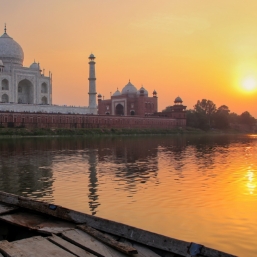
Morning drive to Agra, en-route visit the deserted Mughal city of Fatehpur Sikri. See the early form of ‘A/C’ created by tinkling watercourses! Also visit the Tomb of Salim Chishti. On arrival check-in at Trident hotel for overnight stay. Visit Mehtab Bagh to enjoy a serene sunset over the Taj Mahal, capturing breathtaking views of the iconic monument across the Yamuna River, surrounded by lush gardens and tranquil landscapes.
At sunrise watch the first rays of the sun caress the iconic Taj Mahal. Wander the gardens and explore the exquisite interior. Return to the hotel for breakfast. Then visit Agra Fort- a remarkable building stamped with the majestic authority of the fabled Mughal Emperors. Afternoon drive to Delhi. Overnight Lemon Tree Premier, an airport hotel.
Transfer to the airport to board return flight back home
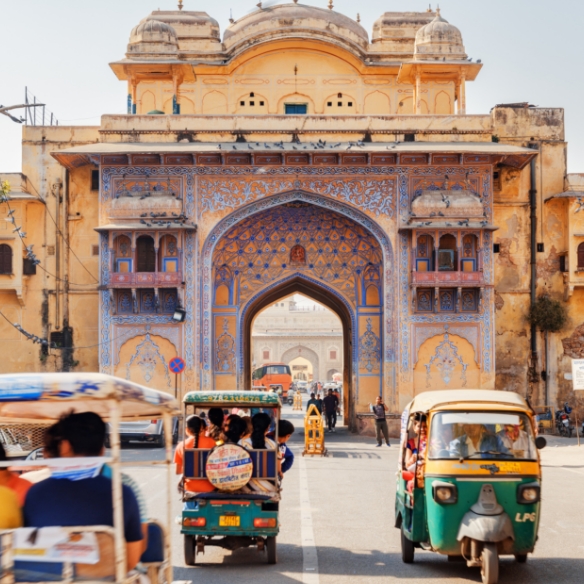
Our India itineraries are designed to showcase the country’s richness without feeling overwhelming. Travel at a considered pace, with expert guides who bring history, culture, and everyday life into focus. From classic routes such as the Golden Triangle to lesser-known regions and thematic journeys, every tour is personalised to reflect your interests and preferred style of travel.
To help you plan your journey with confidence, the FAQs below provide essential travel information for UK travellers visiting India, including visa requirements, passport validity, health guidance, and practical advice for travelling around the country.
Yes. UK passport holders must obtain a visa in advance to travel to India. Most travellers apply for an e-Visa, which can be arranged online prior to departure.
The length of stay depends on the visa type issued. Tourist e-Visas typically allow stays of up to 30, 90, or 180 days, depending on the visa selected.
Your passport must be valid for at least six months from your date of arrival in India and contain at least two blank pages.
Yes. India can be enjoyed by first-time visitors when travel is well planned. Guided tours, private drivers, and carefully paced itineraries help ensure a comfortable and rewarding experience.
The local currency is the Indian Rupee (INR). Credit and debit cards are accepted in hotels and larger establishments, but cash is widely used, particularly in smaller towns and markets.
India is generally safe for tourists, particularly when travelling with reputable operators and guides. As with any destination, travellers should take standard precautions, especially in busy urban areas.
No mandatory vaccinations are required for entry, but travellers are advised to be up to date with routine vaccinations. Medical advice should be sought before travel, particularly for longer stays.
Lightweight, modest clothing is recommended. Covering shoulders and knees is advised, especially when visiting temples, mosques, and rural areas. Comfortable footwear is essential for sightseeing.
The best time to visit most regions of India is between October and March, when temperatures are cooler and conditions are ideal for travel. Climate varies by region.
Yes. India has an extensive network of domestic flights, trains, and private road transport. Guided travel and private drivers are commonly used for comfort and convenience.
Yes. Comprehensive travel insurance is strongly recommended, covering medical treatment, cancellations, and any planned activities.
Yes. India offers a wide range of experiences suitable for families, couples, and honeymooners, from cultural tours and wildlife safaris to heritage stays and scenic retreats.