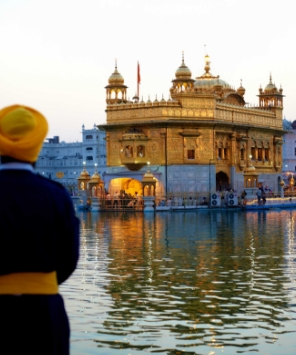
From cultural discoveries to breathtaking natural wonders, this itinerary is designed to inspire every type of traveller. Each experience has been carefully selected to offer meaningful insight, memorable stories, and a deeper connection to the places you visit.
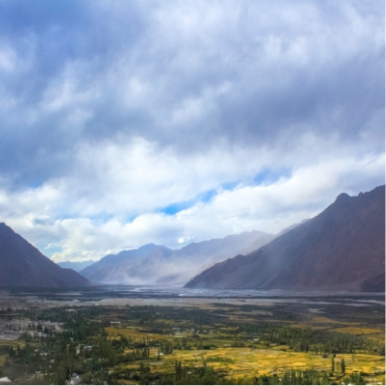
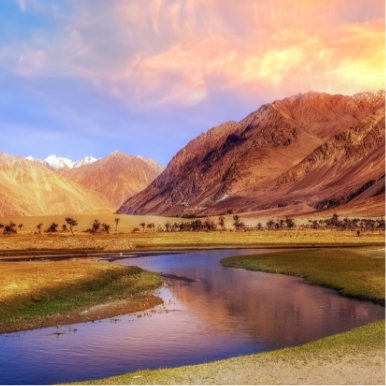
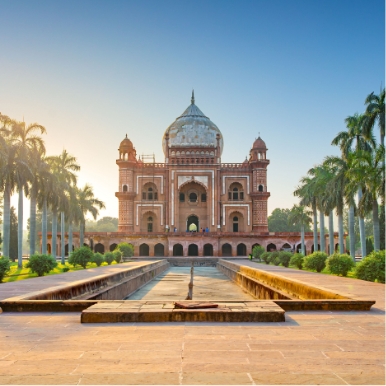


Fly from UK to Delhi.
Arrive Delhi. Meeting and assistance on arrival and transfer to Novotel Aerocity for an overnight stay.
Morning fly to Leh. Meeting and assistance on arrival then transfer to hotel WH Lharisa Resort for 2 nights. Rest of the day free to acclimatize to the high altitude of Ladakh. In the evening take a walk to the colourful local bazaar in Leh.
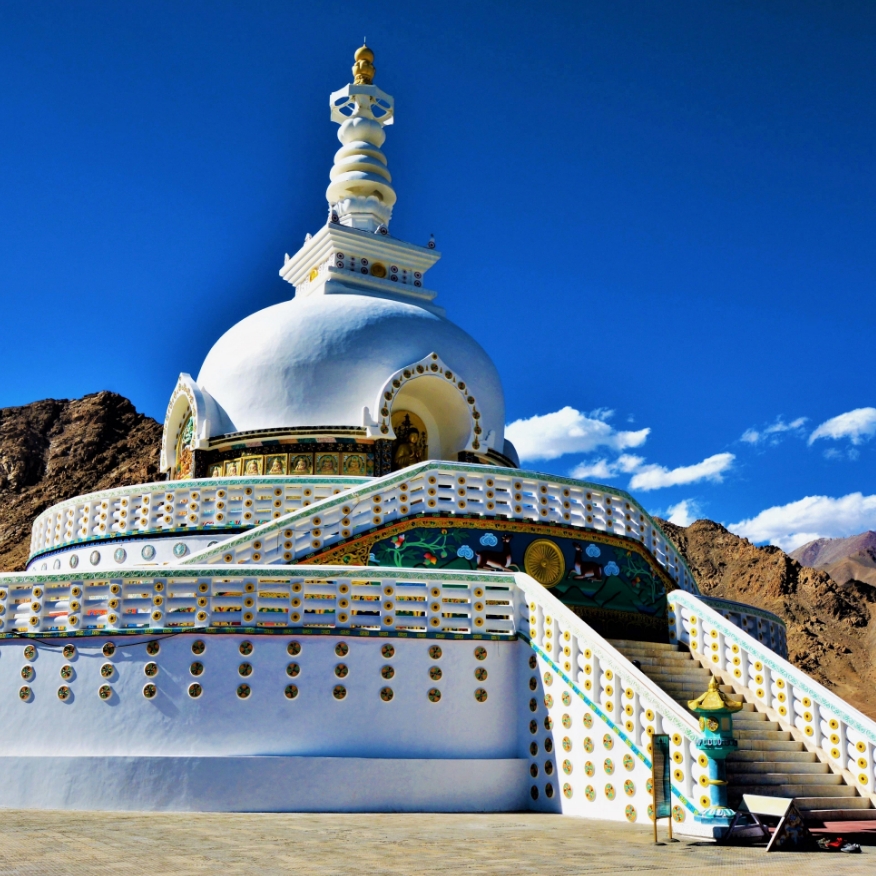
After breakfast visit the Sanker Gompa- the seat of the Head Lama of Ladakh and founder of the Yellow Sect. The Shanti Stupa on a hilltop was built by the Japanese (part of the Peace Pagoda mission). Also see the Leh Palace, a former Royal palace overlooking the Ladakhi Himalayan town of Leh. Fascinating evening visit to a local Ladakhi family where you will learn about the local cuisine and then dine with the family. Later return to the hotel.
After an early breakfast drive to Uleytokpo, enroute visit 15th C. Likir Monastery perched atop a small hill, surrounded by dramatic mountains, and the 11th C. Alchi Monastery, with its wonderful wall paintings thought to be some of the oldest in Ladakh. On arrival in Uleytokpo, check in at the Uley Ethnic Resort for 3 nights.
After breakfast visit the 11th C. Lamayuru Monastery, one of oldest monastery in Ladakh. Once five vast building graced the complex, now, sadly, only one remain. The Monastery is famed for its masked festival dances and is also the main seat of the Drikung Kagyu tradition of Buddhism.
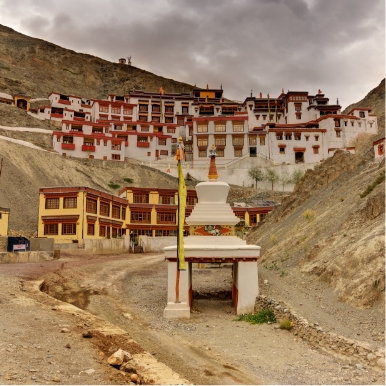
After breakfast leave for an excursion to Rizong monastery. There are caves here where Guru Padma Sambhava meditated during his journey through Ladakh. In1831 Lama Tsultim Nima decided to build Rizong Monastery in its current form. 2 km away is the Jelichun nunnery with 26 nuns and is overseen by the main Monastery. Return to hotel for late lunch and rest of the day at leisure.
After breakfast drive back to Leh. Stay at WH Lharisa Resort for an overnight stay. Afternoon explore the Leh market.
After breakfast drive to Nubra Valley crossing through the Khardungla pass (altitude 5,602m) the world’s highest motorable road. The views are simply stunning, occasionally Leh can be seen like a tiny dot in the far distance. On the way to Nurba valley make a brief stop at Sumur to visit the Samastaling Monastery and later continue the drive up to Panamik Hot Springs. The rich sulphur content gives rise to the idea that it has medicinal benefits and can help rheumatism. On arrival in Nubra Valley check in at check in at Lchang Nang Retreat for 3 nights.
After breakfast visit Diskit and Hunder Villages and the local Monasteries. Take a stroll around to see the lifestyle of people living at the northern most region of India. In the evening take a Camel ride around the sand dunes of Hunder. The Bactrian camels, with their double humps, were the juggernauts of transportation during the era of the fabled Silk Route trade, and are a major attraction of the Hunder & Sumur sand dunes.
After breakfast cycle through the beautiful Nubra valley. For such high altitudes it’s amazing to see, in season, fields of wheat and barley, peas, mustard and potato. Orchards abound filled with apple, apricot, walnut and almond. Cycle to the riverside or to local villages. Afternoon at leisure.
Morning drive to Leh. Check in at WH Lharisa Resort for an overnight stay.
After an early breakfast drive to Tsomoriri (altitude 4000m), enroute visit Tsokar Lake. Its marshlands are a haven for birds, and salt deposits can be found along the shoreline of this awesomely beautiful lake. Have a picnic lunch near the lake. Then visit the 350 years old Yellow Sect Karzok Monastery. On arrival check-in at Wild Camp for 2 nights.
Full day at leisure to explore Tsomoriri Lake and its surroundings. Tsomoriri or ‘Mountain Lake’ is situated in the middle of the high valley of Rupshu surrounded by soaring 6000m peaks. Small groups of ‘Changpas’ nomadic shepherds still wander the area and work in caravans in Ladakh, Lahaul and Spiti. The area is rich in wildlife including the wild ass, the Kyang, red fox and the highly endangered snow leopard. Black necked cranes and geese flock to the lakeside for breeding during the summer months.
Morning drive back to Leh. On arrival check in at WH Lharisa Resort for 2 nights
After breakfast full day visit to Shey, Thiksey and Hemis Monastery’s. Close to Leh, Shey Monastery and Palace is best known for its superb three-storey high statue of Buddha Shakyamuni. Made of copper, the statue is said to be unique. Thiksey Monastery is often considered the most beautiful monastery in all of Ladakh, and belongs to the Gelugpa sect of Buddhism. Hemis Monastery located on the outskirts of Leh, lies on the banks of the Indus river and is an adherent to the Dugpa Kargyutpa order. It’s believed to be the biggest and the richest monastery of Ladakh, secretly hidden inside a gorge-like formation.
Morning fly to Delhi. Meeting and assistance on arrival then transfer the Colonels Retreat for 2 nights stay.
After breakfast leave for Heritage walk of Old Delhi. You walk through Chandni Chowk- filled with shops and lots of noise! Then explore the Jama Masjid, the great mosque of Old Delhi, with a courtyard capable of holding 25000 devotees. Old Delhi is also known for its beautiful havelis, some of which are more than 200 years old. Visit one to see its delightful architecture – intricately carved arches, wooden doors and panels. Meet the family over a cup of tea and learn, firsthand, about the history of this lovely haveli. Afternoon sightseeing includes the 16th C. Humayun’s Tomb built by the senior wife of Humayun, the 2nd Mughal Emperor. Drive Past India Gate, the 42-metre-high, free-standing arch, designed by Lutyens, built in 1931, and dedicated to the 90,000 soldiers of the Indian Army who died in World War I. Finish the tour by visiting Bangla Sahib Sikh Temple which feeds thousands of people every day through its huge community kitchen.
Transfer to the airport to board your return flight back home.
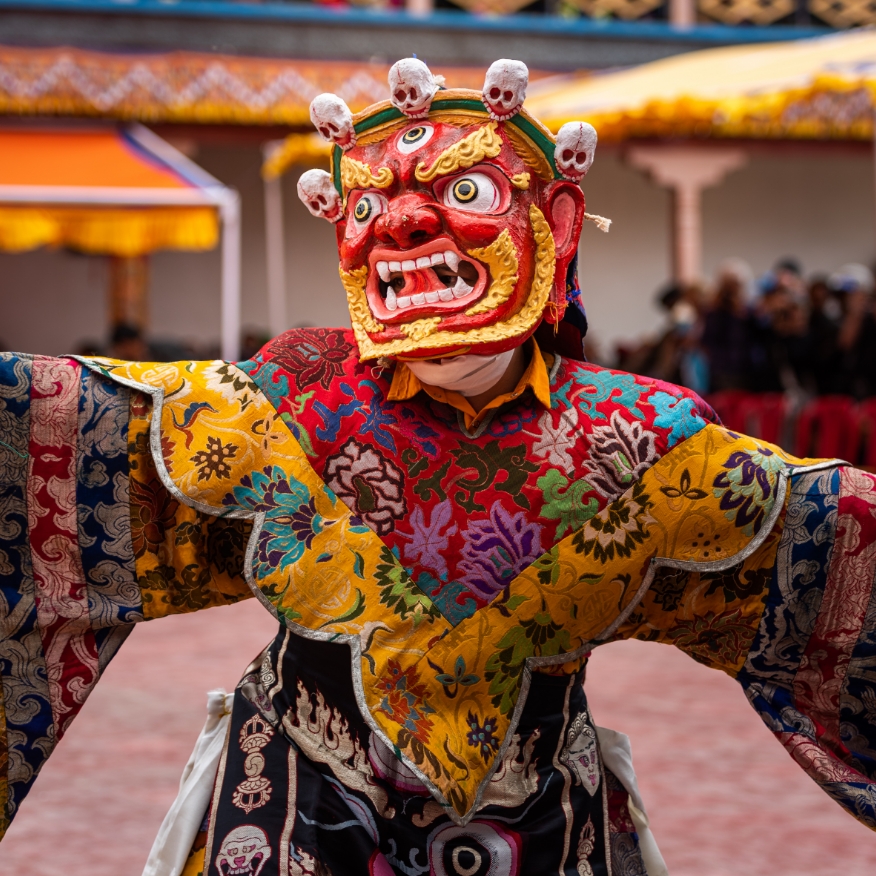
Our India itineraries are designed to showcase the country’s richness without feeling overwhelming. Travel at a considered pace, with expert guides who bring history, culture, and everyday life into focus. From classic routes such as the Golden Triangle to lesser-known regions and thematic journeys, every tour is personalised to reflect your interests and preferred style of travel.
To help you plan your journey with confidence, the FAQs below provide essential travel information for UK travellers visiting India, including visa requirements, passport validity, health guidance, and practical advice for travelling around the country.
Yes. UK passport holders must obtain a visa in advance to travel to India. Most travellers apply for an e-Visa, which can be arranged online prior to departure.
The length of stay depends on the visa type issued. Tourist e-Visas typically allow stays of up to 30, 90, or 180 days, depending on the visa selected.
Your passport must be valid for at least six months from your date of arrival in India and contain at least two blank pages.
Yes. India can be enjoyed by first-time visitors when travel is well planned. Guided tours, private drivers, and carefully paced itineraries help ensure a comfortable and rewarding experience.
The local currency is the Indian Rupee (INR). Credit and debit cards are accepted in hotels and larger establishments, but cash is widely used, particularly in smaller towns and markets.
India is generally safe for tourists, particularly when travelling with reputable operators and guides. As with any destination, travellers should take standard precautions, especially in busy urban areas.
No mandatory vaccinations are required for entry, but travellers are advised to be up to date with routine vaccinations. Medical advice should be sought before travel, particularly for longer stays.
Lightweight, modest clothing is recommended. Covering shoulders and knees is advised, especially when visiting temples, mosques, and rural areas. Comfortable footwear is essential for sightseeing.
The best time to visit most regions of India is between October and March, when temperatures are cooler and conditions are ideal for travel. Climate varies by region.
Yes. India has an extensive network of domestic flights, trains, and private road transport. Guided travel and private drivers are commonly used for comfort and convenience.
Yes. Comprehensive travel insurance is strongly recommended, covering medical treatment, cancellations, and any planned activities.
Yes. India offers a wide range of experiences suitable for families, couples, and honeymooners, from cultural tours and wildlife safaris to heritage stays and scenic retreats.