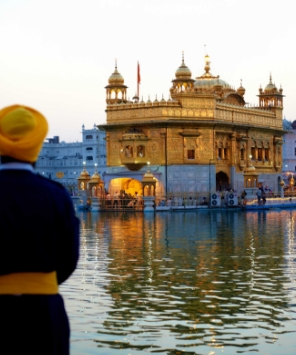
From cultural discoveries to breathtaking natural wonders, this itinerary is designed to inspire every type of traveller. Each experience has been carefully selected to offer meaningful insight, memorable stories, and a deeper connection to the places you visit.


Fly from UK to Bangalore.
Arrive Bangalore in the morning. Meeting and assistance on arrival by our representative and drive to Mysore. Check-in at Royal Orchid Metropole for 2 nights.
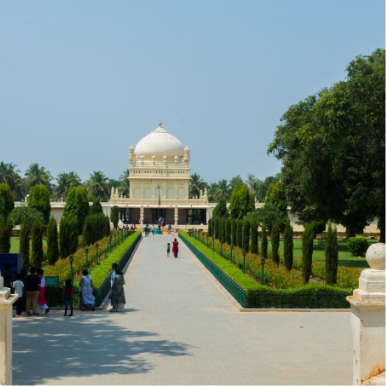
Morning visit the fascinating island town of Srirangapatna- a UNESCO World Heritage Site. The Vijayanagar and Hoysala architecture here is superb. Other major places to see include the Ranganathaswamy Temple, Tipu’s Mosque and Summer palace, the Wellesley bridge and the dungeons where British prisoners were kept. In the afternoon visit the Chamundi hill and see the impressive Nandi Bull statue. Drive to the Mysore Palace with its glorious mix of Hindu and Saracenic architectural styles. Elements of Neo-Classical, Indo-Islamic and Gothic styles all make statement. Inside there’re two huge Durbar halls. Wander the well-laid out gardens and sprawling courtyards.
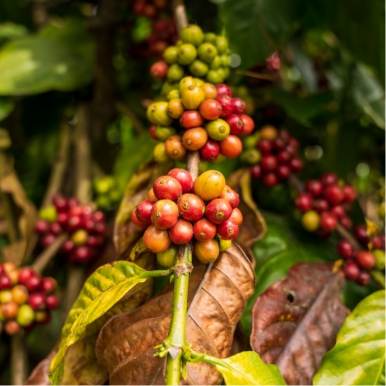
After breakfast drive to Chikmagalur, enroute visit the 57 feet high statue of Bahubali at Sravanabelagola. (A gentle climb of 600 steps to reach to the statue). On arrival check in at hotel The Serai for 2 nights. Afternoon walking tour of a coffee plantation including a tasting session and tour of the curing and roasting areas.
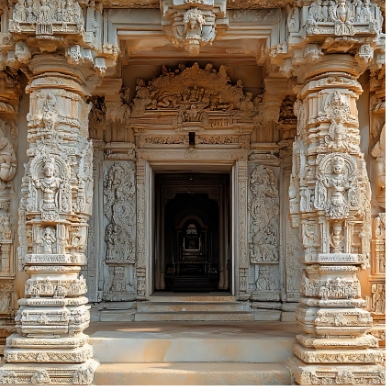
After breakfast drive to Halebid and Belur. Halebid was the capital of the Hoysala empire from 10th to 14th C. The most important places to view are the twin Temples of Hoysaleshwara and Kedareshwara in Halebid, and the Chennakesava Temple in Belur. The Temples are built from soft chloritic stone which enabled the masons to sculpt the most exquisite minute and intricate carvings. The Hoysala’s were known as patrons of Temple construction.
After breakfast drive through the countryside with ever changing vistas to Hampi. Enroute stop for lunch at Chitradurga Fort. On arrival check in at the Evolve Back Kamalapura Palace for 3 nights.
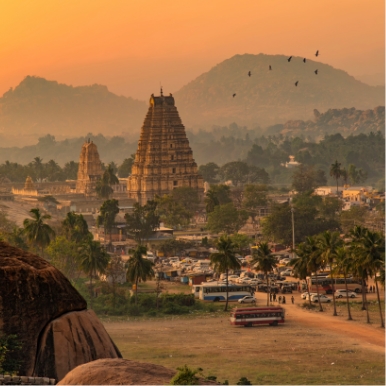
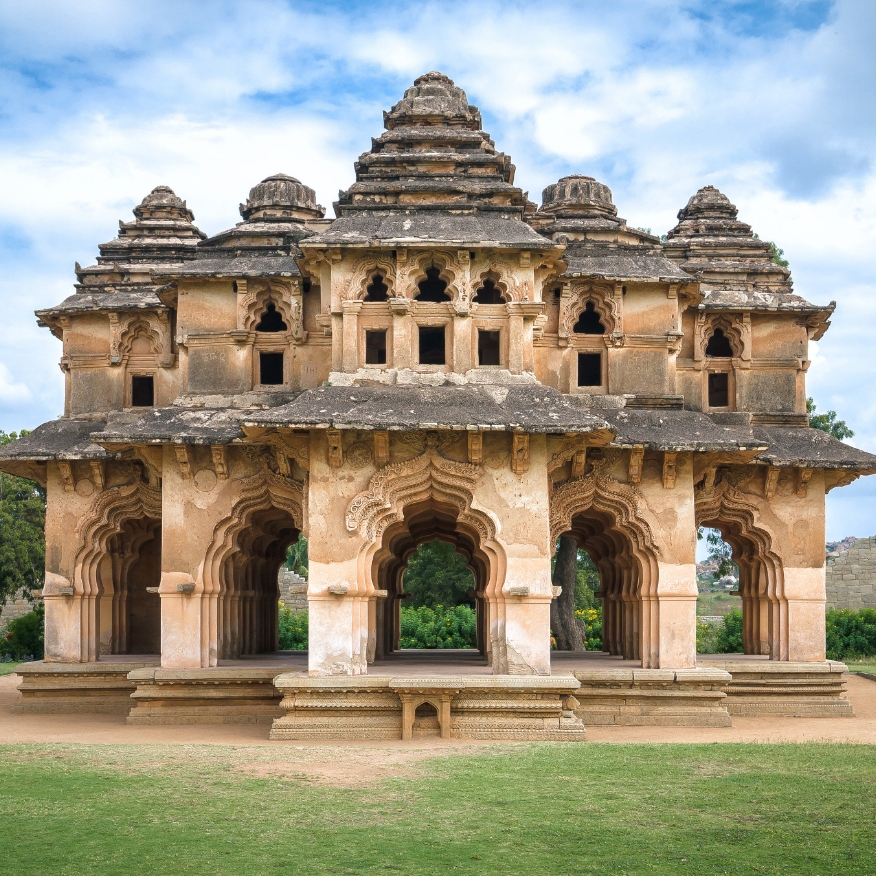
After breakfast a full day exploring the ruins of Hampi, a UNESCO World Heritage site. Hampi was once the capital city of a golden empire, the Vijayanagara. Early travellers from Portugal said it was a prosperous and wealthy city. See the regal 9-storey tall gopura of the Virupaksha Temple, the Vijaya Vittala Temple with its 56 musical pillars, the Lotus Mahal, the imposing Lakshmi Narasimha and the majestic Stone Chariot.
A day of leisure relaxing in the resort with its infinity pool, spa and reading lounge. In the evening take a fascinating walk-through giant boulders, the ruins of the Achyutaraya Temple and the famed ‘Courtesan Bazaar’. The sunset behind the boulder hills is superb. Finally walk along the banks of the scenic Tungabhadra River and have a coracle ride, whilst watching the sun gently fade over the boulders.
Morning drive to Aihole & check-in for 2 nights at Wada 1– a beautifully restored heritage-mansion. Afternoon visit Aihole and Pattadakal. Aihole was an important centre of medieval Indian art and rich in Buddhist, Hindu and Jain architecture. The UNESCO World Heritage Site of the Pattadakal group of monuments nestle along the banks of the River Malaprabha. The Temple complex is the legacy of the early Chalukyas (543-753 CE), who built a series of nine Hindu Temples for coronation and royal commemoration purposes.
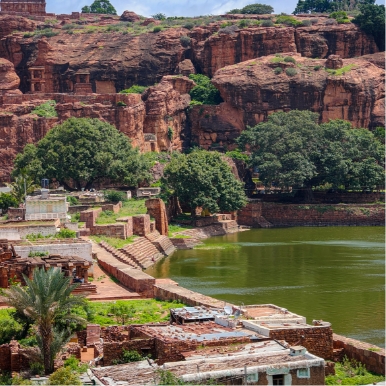
After breakfast full day to explore the Badami Hindu and Jain Caves, cut into the red sandstone cliffs. Many overlook the lovely Holy Agastya Lake. On the lake shore there’s a scattering of Temples. Badami still glows in the light of its glorious past leaving a rich legacy of carvings and Cave Temples.
Morning drive to Gulbarga enroute visiting Bijapur. Bijapur (Vijayapura) is renowned for its splendid Deccan Islamic architecture from the Adil Shahi dynasty. Landmarks including the Gol Gumbaz, Ibrahim Rauza, and Jama Masjid showcase its rich heritage, making it a must-visit destination for history and culture enthusiasts. Overnight at the Mastiff Select Hotel.
Morning drive to Hyderabad enroute visiting Bidar. Bidar, a heritage city famed for the Bidar Fort and Bahmani tombs. It is also celebrated for the exquisite Bidriware metal craft, a symbol of the region’s rich cultural legacy. 2 nights at Taj Krishna.
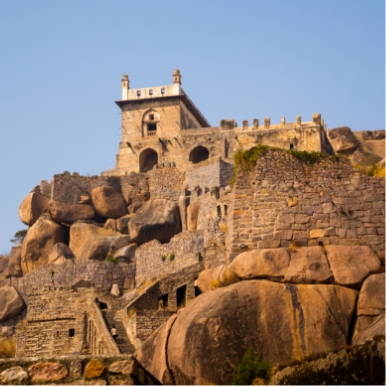
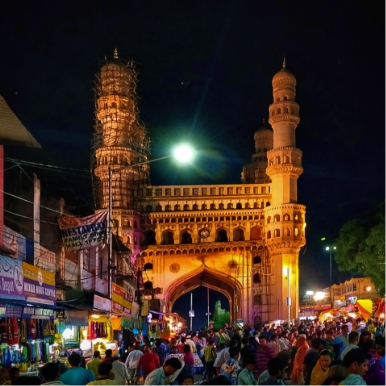
Morning sightseeing of Hyderabad city includes a visit to the mighty 16th C. Golkunda Fort- known for its impregnable structure. The Forts glory and majesty can still be seen in the mighty ramparts and fortifications. Other places include the Chowmahalla Palace, the Mecca Masjid and Paigarh Tombs – a tomb complex of 27 marble tombs within intricately carved walls and pillars. Late afternoon Heritage and Food walk around Charminar – a cultural icon area of Hyderabad –to absorb the atmosphere and taste some delicious treats!
Transfer to the airport to board return flight back home
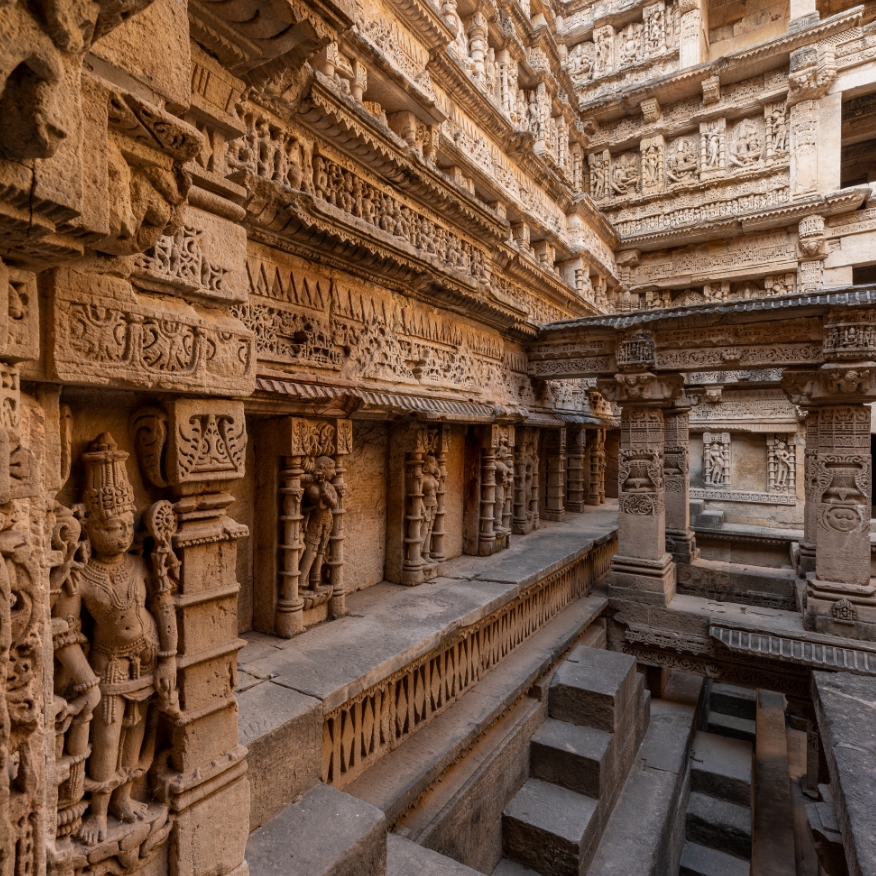
Our India itineraries are designed to showcase the country’s richness without feeling overwhelming. Travel at a considered pace, with expert guides who bring history, culture, and everyday life into focus. From classic routes such as the Golden Triangle to lesser-known regions and thematic journeys, every tour is personalised to reflect your interests and preferred style of travel.
To help you plan your journey with confidence, the FAQs below provide essential travel information for UK travellers visiting India, including visa requirements, passport validity, health guidance, and practical advice for travelling around the country.
Yes. UK passport holders must obtain a visa in advance to travel to India. Most travellers apply for an e-Visa, which can be arranged online prior to departure.
The length of stay depends on the visa type issued. Tourist e-Visas typically allow stays of up to 30, 90, or 180 days, depending on the visa selected.
Your passport must be valid for at least six months from your date of arrival in India and contain at least two blank pages.
Yes. India can be enjoyed by first-time visitors when travel is well planned. Guided tours, private drivers, and carefully paced itineraries help ensure a comfortable and rewarding experience.
The local currency is the Indian Rupee (INR). Credit and debit cards are accepted in hotels and larger establishments, but cash is widely used, particularly in smaller towns and markets.
India is generally safe for tourists, particularly when travelling with reputable operators and guides. As with any destination, travellers should take standard precautions, especially in busy urban areas.
No mandatory vaccinations are required for entry, but travellers are advised to be up to date with routine vaccinations. Medical advice should be sought before travel, particularly for longer stays.
Lightweight, modest clothing is recommended. Covering shoulders and knees is advised, especially when visiting temples, mosques, and rural areas. Comfortable footwear is essential for sightseeing.
The best time to visit most regions of India is between October and March, when temperatures are cooler and conditions are ideal for travel. Climate varies by region.
Yes. India has an extensive network of domestic flights, trains, and private road transport. Guided travel and private drivers are commonly used for comfort and convenience.
Yes. Comprehensive travel insurance is strongly recommended, covering medical treatment, cancellations, and any planned activities.
Yes. India offers a wide range of experiences suitable for families, couples, and honeymooners, from cultural tours and wildlife safaris to heritage stays and scenic retreats.