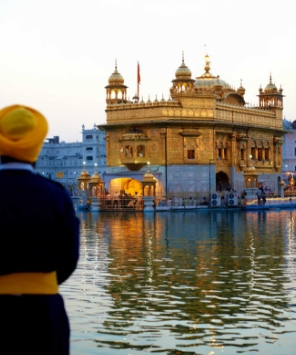
From cultural discoveries to breathtaking natural wonders, this itinerary is designed to inspire every type of traveller. Each experience has been carefully selected to offer meaningful insight, memorable stories, and a deeper connection to the places you visit.


Fly from UK to Kolkata.
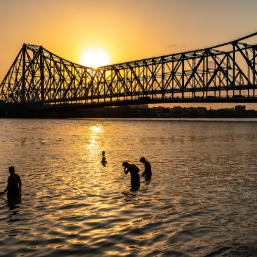
Arrive Kolkata in the morning. Meeting and assistance on arrival by our representative and transfer to Taj Bengal Hotel for 2 nights stay. Evening incredibly atmospheric evening boat ride on the Hooghly river.
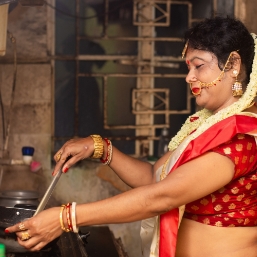
After breakfast take a sightseeing tour of Kolkata which includes the Victoria Memorial- a grand British-era structure built entirely of white marble and constructed in the Indo-Saracenic revivalist style. See the Indian Museum. Drive past Writers Building, the BBD Bagh (commercial area), St. John’s Church, Raj Bhavan (the residence of the Governor of West Bengal) and Eden Gardens. Also visit the Kali Temple located on the ghat of the Hoogley river, Missionaries of Charity or Mother House and Kalighat Temple. In the evening help prepare scrumptious Bengali dishes. First visit a local fish and vegetable market with an experienced cookery class host. Assist in buying ingredients and see how bargaining is a part of daily lives of the locals. Then go to the cookery hosts home and learn how to cook some classic local dishes – naturally enjoying the fruits of your labour afterwards with the hosts family.
Morning fly to Bagdogra and drive to Darjeeling. Check in at the Glenburn Tea Estate for 3 nights. Glenburn is perfectly situated with outstanding views to the mighty Kanchenjunga Mountain range in the far distance.
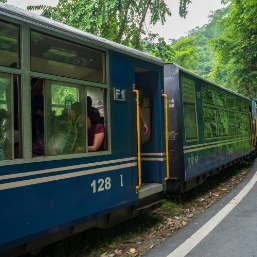
Early morning visit Tiger Hill to see a beautiful sunrise over the Himalayan ranges – on a clear day enjoy amazing views of the Kanchandzonga and, occasionally, Mount Everest. After breakfast, take the delightful Toy Train from Darjeeling to Ghoom. Operational since 1881, Darjeeling Himalayan Railway is one of the oldest Toy Trains of India. Visit the Ghoom monastery, the St. Andrew Church, Lablong village, the Mountaineering Institute and Tibetan Refugee Centre.
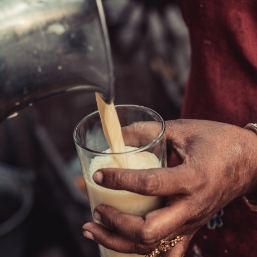
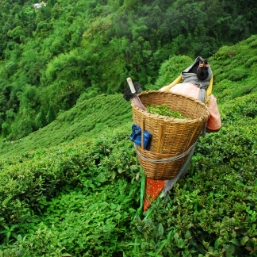
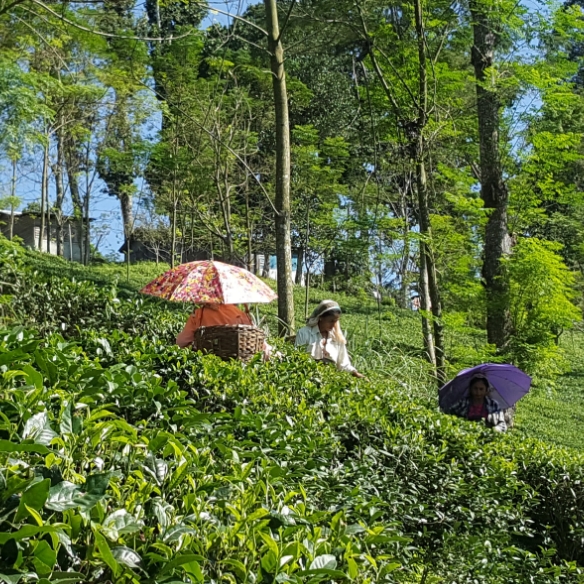
After breakfast an interactive tea experience tour begins with stories of how tea travelled all the way from China to East India. Then visit various sections of the tea garden. After lunch visit a tea factory to see the tea manufacturing process set in motion by the East India Company. Discover the various steps involved in making a perfect cup of black tea – withering, rolling, fermenting, drying and sorting. The experience ends with a ‘tea-tasting session’.
Morning drive to Pelling. On arrival check in at The Elgin Mount Pandim for 2 nights. Rest of the day at leisure.
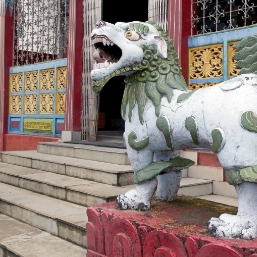
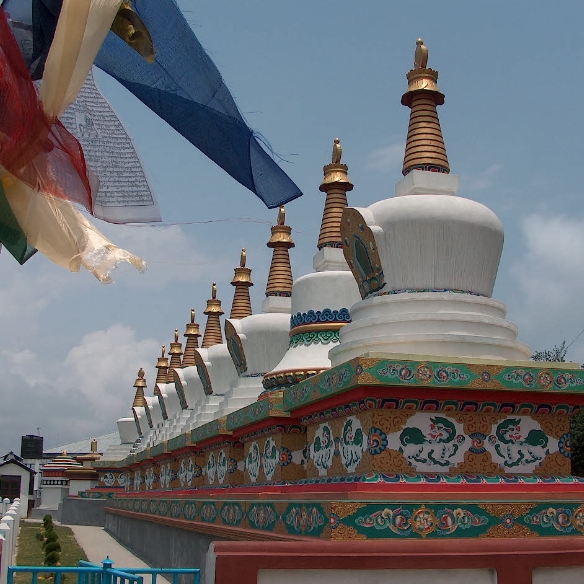
Morning visit Pemeyangste Monastery. The Perfect Sublime Lotus, perched on a wooded hilltop, commands a beautiful view of the Khangchendzong. Built during the late 17th C. it’s one of the oldest and most important monasteries of the Nyingmapa order of Buddhism in Sikkim. Afternoon walk up to the Sanga Choling Monastery, the second oldest monastery in Sikkim. Sanga Choeling means ‘the island of esoteric teaching’. Once gutted by fire, it has been rebuilt and restored. It houses some of the original clay statues.
Morning drive to Gangtok. On arrival check in at The Elgin Nor-Khill hotel for 3 nights. Afternoon at leisure.
Morning visit the Enchey Monastery, nestled within lush woods with a spectacular view of Gangtok town. Built in 1910 on the site of the hermitage of the great tantric saint, Lama Drutob Karpo, renowned for his powers of levitation, the monastery houses monks of the Nyingmapa Order of Tibetan Buddhism. Also visit the Namgyal Institute of Tibetology established in1958. Afternoon visit the Rumtek Monastery. The original monastery was built by the fourth Chogyal but sadly, seriously damaged by an earthquake. However, it was rebuilt in the 16th C. and is today the largest monastery in Sikkim. In the evening walk across to the Lal Bazaar.
After breakfast full day excursion to Phodong Monastery in North Sikkim. Originally built in 1740, the monastery has been rebuilt and is today one of the most beautiful monasteries in Sikkim. It possesses some stunning old mural paintings. Today roughly 260 monks live there.
After breakfast drive to Kalimpong. Check in at The Elgin Silver Oaks for 2 nights. Afternoon at leisure.
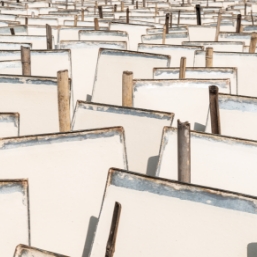
After breakfast sightseeing of Kalimpong. Visit Durpin monastery, Tharpa Choling Monastery, Dr Graham Home in the Deolo Hill region, The Catholic Church and Pine View Nursery. In the afternoon visit the Himalayan Handmade Paper Workshop to see different stages of papermaking including boiling, pulping, pressing, drying etc. The centre has cards, notepads and other items made from the paper for sale.
Morning drive to Bagdogra airport and fly to Kolkata. Check in at The Holiday Inn Express near the airport for an overnight stay.
Transfer to the airport to board return flight back home.
Our India itineraries are designed to showcase the country’s richness without feeling overwhelming. Travel at a considered pace, with expert guides who bring history, culture, and everyday life into focus. From classic routes such as the Golden Triangle to lesser-known regions and thematic journeys, every tour is personalised to reflect your interests and preferred style of travel.
To help you plan your journey with confidence, the FAQs below provide essential travel information for UK travellers visiting India, including visa requirements, passport validity, health guidance, and practical advice for travelling around the country.
Yes. UK passport holders must obtain a visa in advance to travel to India. Most travellers apply for an e-Visa, which can be arranged online prior to departure.
The length of stay depends on the visa type issued. Tourist e-Visas typically allow stays of up to 30, 90, or 180 days, depending on the visa selected.
Your passport must be valid for at least six months from your date of arrival in India and contain at least two blank pages.
Yes. India can be enjoyed by first-time visitors when travel is well planned. Guided tours, private drivers, and carefully paced itineraries help ensure a comfortable and rewarding experience.
The local currency is the Indian Rupee (INR). Credit and debit cards are accepted in hotels and larger establishments, but cash is widely used, particularly in smaller towns and markets.
India is generally safe for tourists, particularly when travelling with reputable operators and guides. As with any destination, travellers should take standard precautions, especially in busy urban areas.
No mandatory vaccinations are required for entry, but travellers are advised to be up to date with routine vaccinations. Medical advice should be sought before travel, particularly for longer stays.
Lightweight, modest clothing is recommended. Covering shoulders and knees is advised, especially when visiting temples, mosques, and rural areas. Comfortable footwear is essential for sightseeing.
The best time to visit most regions of India is between October and March, when temperatures are cooler and conditions are ideal for travel. Climate varies by region.
Yes. India has an extensive network of domestic flights, trains, and private road transport. Guided travel and private drivers are commonly used for comfort and convenience.
Yes. Comprehensive travel insurance is strongly recommended, covering medical treatment, cancellations, and any planned activities.
Yes. India offers a wide range of experiences suitable for families, couples, and honeymooners, from cultural tours and wildlife safaris to heritage stays and scenic retreats.