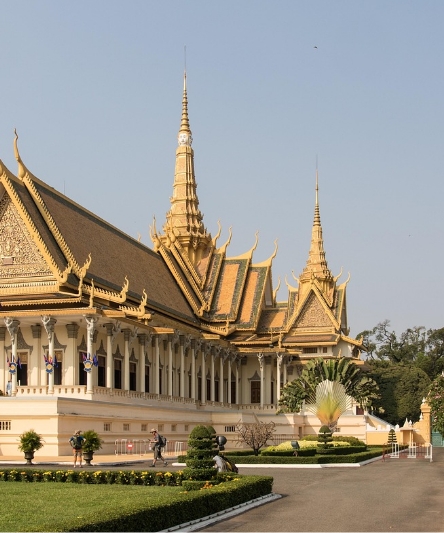
From cultural discoveries to breathtaking natural wonders, this itinerary is designed to inspire every type of traveller. Each experience has been carefully selected to offer meaningful insight, memorable stories, and a deeper connection to the places you visit.



Depart the UK
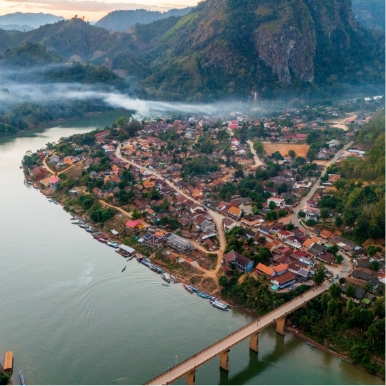
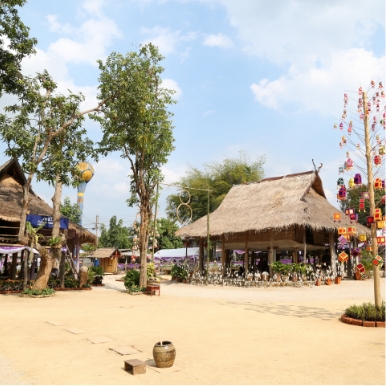
Arrive Luang Praband and drive to Nong Khiaw. Check into bungalow overlooking the Ou River. Take amazing boat ride up the Nam Ou River. This is one the most spectacular stretches of the 450 km long river. The dramatic limestone formations make for great photographic opportunities. Lunch is included at local restaurant. Dinner with Baci welcome ceremony.
After breakfast drive to Ban Son Khoua (Muang Hiam before “Vieng Thong”). After lunch, head up river deep into the jungle to The Nam Nern Night Safari & Ecolodge. Then long-tail boat ride drifting downriver to spot wild animals. Camp fire and traditional dinner prepared and cooked by local people.
Early breakfast and return to Ban Son Koua, an ethnic Khmu Village then continue on the road to Sam Neua. Stop along the way to admire virgin forests and for lunch. The 200 km journey twists and turns along a paved mountain road. Check into guesthouse. Dinner in local restaurant. Bring a light jacket as the mornings and evenings can be chilly!
After breakfast walk through the morning market along the Xam River. Check out and transfer with guide to Viengsay. Marvel at the amazing karst landscape in the middle of town! Visit the Information Centre to learn more about the interesting historical significance of the area during the Indochina War. See nearby caves to learn how the Lao People’s Revolutionary Party lived during the war. Lunch in a local restaurant.
Morning visit to the nearby Hospital Cave; which was used as a hospital during the war. After the bombing raids ended, a new hospital building was built in front of the cave. Now the site is a local school. Afternoon and evening at leisure.
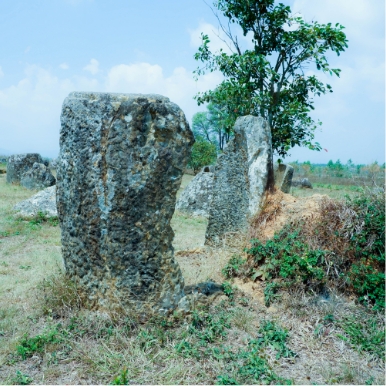
After breakfast, travel with guide on the road to Xieng Khouang. Visit the mysterious menhirs (standing stones) at Hintang. No one is quite sure who built them or why, perhaps burial sites or markers. Lunch in Nam Neun. Continue on to Thampiu Cave, the scene of a tragic loss of lives during the Indochina War. In the early evening arrive in Xieng Khouang. Check into the lodge.
After breakfast full day exploration of the mysterious Plain of Jars. First see Plain of Jars Site 1. The largest and best-preserved of all three Jars sites. Continue to visit Plain of Jars Sites 2 and 3. (Optional walk between sites 2 and 3 – approx. 6km.). Lunch at local restaurant. Then visit Muang Khun, the ruins of the old city including the Wats, and take a short walk to a Tai Dam village. Also see Ban Na Pia (War Spoon Village). Return to Xieng Khuang and if time permit visit to the MAG visitors’ centre.
After breakfast transfer to airport for flight return to Vientiane. Transfer to hotel.
Return home to the UK
Our South East Asia itineraries combine iconic highlights with authentic, lesser-known experiences. Travel seamlessly between destinations, guided by local expertise and careful planning. From single-country journeys to multi-destination adventures, each holiday is designed to offer depth, comfort, and a genuine sense of place.
Planning a journey through South East Asia should feel simple and well-informed. The FAQs below provide practical travel guidance for UK travellers, covering visa requirements, passport validity, health considerations, and general entry advice to help you prepare with confidence.
Visa requirements vary by country. Many South East Asian destinations, including Thailand, Malaysia, Singapore, Indonesia, and Vietnam, offer visa-free entry or visas on arrival for UK passport holders for short stays. Some countries require an e-visa arranged in advance.
Length of stay depends on the country visited, typically ranging from 14 to 90 days. Entry duration is confirmed on arrival by local immigration authorities.
Yes. South East Asia is very popular with first-time travellers due to its welcoming culture, excellent hospitality, well-developed tourist infrastructure, and good value for money.
Each country has its own currency. Credit cards are widely accepted in cities and tourist areas, but cash is recommended for rural areas, markets, and smaller establishments.
South East Asia is generally considered safe for tourists. Normal travel precautions should be taken, particularly in busy urban areas and when travelling independently.
No mandatory vaccinations are required for entry to most countries. However, travellers are advised to be up to date with routine vaccinations and seek medical advice before travel, particularly for longer or multi-country trips.
Lightweight, breathable clothing is recommended due to the warm climate. Modest dress is advised when visiting temples and religious sites, with shoulders and knees covered.
The best time to visit varies by country but is generally during the dry season, typically between November and March. Some destinations are enjoyable year-round depending on travel style and region.
Yes. Travel between countries is well established, with frequent flights, ferries, and overland routes making multi-destination itineraries easy to arrange.
Yes. Comprehensive travel insurance is strongly recommended, covering medical treatment, activities, cancellations, and delays.
Yes. The region offers a wide range of experiences suitable for families, couples, and honeymooners, from cultural discovery and wildlife encounters to beach relaxation and luxury stays.
Our experts are ready to answer your specific questions about South East Asia
Contact