From cultural discoveries to breathtaking natural wonders, this itinerary is designed to inspire every type of traveller. Each experience has been carefully selected to offer meaningful insight, memorable stories, and a deeper connection to the places you visit.


Overnight flight to Kathmandu
Meeting and assistance on arrival by our Novaturient representative and transfer to Hotel Aloft for 2 nights. Remainder of day to relax.
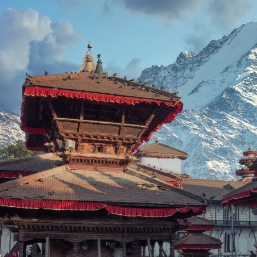
Morning visit the beautiful ancient Buddhist site of Swayambhunath, a deeply Holy and important religious site for devotees. Next go to the Kathmandu Durbar Square with its superb architecture to view the museums and Royal residence. The Square is a UNESCO World Heritage Site. Afternoon sightseeing of Bodhnath – the largest stupa in the Tibetan Buddhist culture. Next visit Pashupatinath Temple – the Holiest shrine for Hindus dedicated to Lord Shiva and a centre for art and culture.
Morning fly to Dhangadhi, the southern part of the far western region. On arrival drive to Shuklaphanta Wildlife Reserve. The Reserve was once a Royal hunting ground and later became Nepal’s first National Park. Shuklaphanta Wildlife Camp for 2 nights.
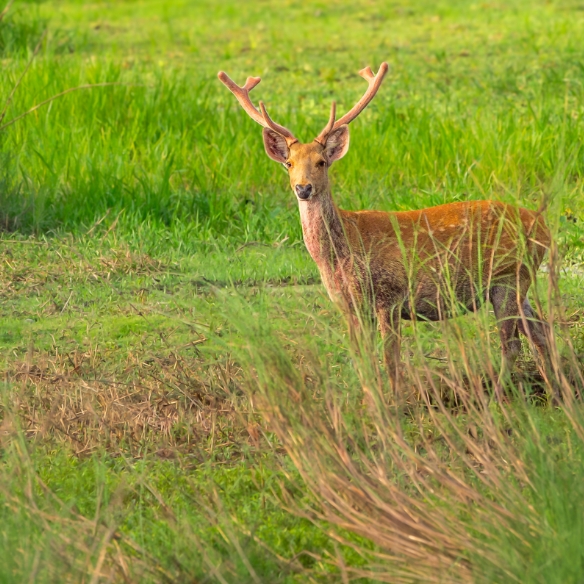
The day starts with an early morning wakeup call followed by breakfast. Then head out on safari to explore the Reserve. The Sal forest and extensive grasslands are home to tigers, rhinos, crocodiles, wild elephants, migratory birds and an excellent population of swamp deer (currently numbering around 2,000).
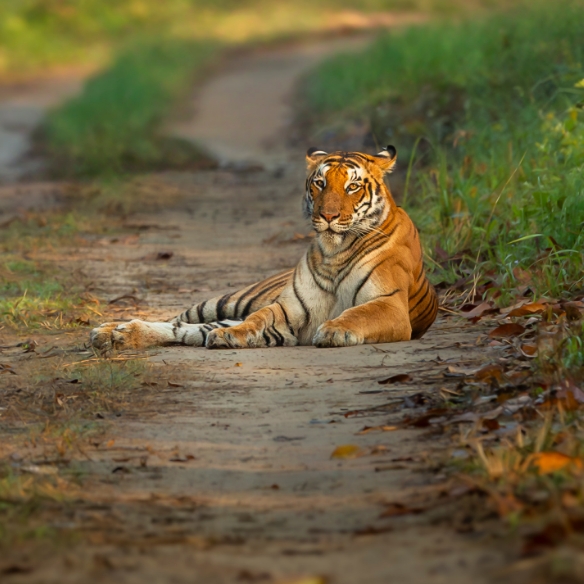
Drive to Bardia, one of the most pristine conservation areas in the Tarai National Park. It’s home to the magnificent endangered Royal Bengal tiger and Nepal`s famous One-horned rhinoceros. Karnali lodge for 2 nights stay.
The National Park is covered in vast Sal and riverine forests and tall elephant grass, making it an ideal habitat for numerous animals. The Park hosts 30 species of mammals, more than 250 of birds and several varieties of reptiles. There’re more sightings of the elusive tigers here than in any other National Park. Spend the whole day spotting wildlife with a mix of jeep and river safaris plus nature and birding walks accompanied by a trained naturalist.
Morning fly to Kathmandu and connect to Bharatpur flight. Transfer to Chitwan National Park. The country’s most famous National Park covers an area of 360 square miles and is home to a variety of rare wildlife species including Royal Bengal tigers, leopards, sloth bears, Asiatic rhinoceros and Asian elephants. Two nights at the Himalayan Wildlife Sanctuary.
Experience the real wilderness accompanied by an experienced guide who knows the jungle like the back of his hand. Go in search of the majestic Royal Bengal tiger, watch out for the greater one-horned rhinoceros, wild boar, bear, leopard and bison. Visit a Tharu village and be welcomed inside their traditional mud houses as a valued guest. At the end of the day relax next to a large campfire, watching the mesmerizing Tharu stick dance and listening to their soothing folk songs.
Morning fly to Kathmandu and connect to the Biratnagar flight. Then drive to Koshi Tappu Wildlife Reserve. It’s a birdwatcher’s paradise with hundreds of species of birds to be spotted. In season, there’re flocks of migrants coming to the wetlands – fleeing the harsh winter back home! Endangered species here include the Bengal florican. Also look out for raptors, sunbirds, kingfishers and a wide variety of water fowl. Stay in Koshi Camp for 2 nights.
Dawn is a great time to birdwatch around the camp and marshlands. Occasionally shy species like crakes and bitterns can be glimpsed, and, as an extra bonus, the nocturnal fishing cat might be seen hunting around the camp ponds. Breakfast will be followed by a full day birdwatching walk. A packed lunch will be provided. The area between the Camp and Kusaha (Park headquarters) is the best area for birds and wildlife. The thin Indian rosewood forest provide excellent habitat for warblers, flycatchers, oriole, waders and raptors.
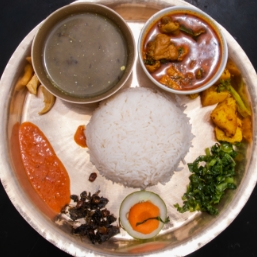
Spend the morning birdwatching around the camp. Then drive to the airport for the flight back to Kathmandu. In the evening tuck into an authentic Nepali Dinner with culture show at a local restaurant. Stay at the Hotel Aloft for the night.
Transfer to the airport to board your return flight home.
Our Nepal itineraries are designed to reveal the country’s diversity while respecting its rhythm and pace. Travel with knowledgeable local guides, explore UNESCO-listed heritage sites, and venture into scenic regions that showcase Nepal’s natural beauty. From cultural tours to soft-adventure journeys, every itinerary is personalised to suit your interests and comfort.
To help you plan your journey with confidence, the FAQs below provide essential travel information for UK travellers visiting Nepal, including visa requirements, passport validity, health guidance, and practical travel advice.
Yes. UK passport holders require a visa to enter Nepal. A tourist visa can be obtained on arrival at Kathmandu International Airport and major land border crossings, or arranged in advance.
Tourist visas are available for 15, 30, or 90 days. Extensions can be arranged locally through the Department of Immigration in Nepal.
Your passport must be valid for at least six months from your date of entry into Nepal and contain at least one blank page.
Yes. Nepal is suitable for first-time visitors, particularly when travel is well organised. Guided tours and local expertise help ensure a comfortable and enriching experience.
The local currency is the Nepalese Rupee (NPR). Credit cards are accepted in larger hotels and tourist areas, but cash is essential for rural regions and trekking routes.
Nepal is generally safe for tourists, especially when travelling with licensed guides and reputable operators. Standard travel precautions are advised.
No mandatory vaccinations are required for entry. Travellers are advised to be up to date with routine vaccinations and seek medical advice before travel, particularly for trekking or rural travel.
Layered clothing is recommended due to varying temperatures, especially in mountain regions. Modest dress is advised in temples, monasteries, and rural areas. Sturdy walking shoes are essential.
The most popular times to visit are spring (March–May) and autumn (September–November), offering clear skies and ideal conditions for sightseeing and trekking.
Travel within Nepal can involve domestic flights, road journeys, and guided transport. Travel times can be longer in mountainous areas, so itineraries are usually planned at a relaxed pace.
Yes. Comprehensive travel insurance is strongly recommended, particularly if trekking or engaging in outdoor activities. Insurance should cover medical evacuation where necessary.
Yes. Nepal offers a wide range of experiences suitable for families, couples, and adventure travellers, from cultural tours and wildlife to gentle walking and scenic stays.


