From cultural discoveries to breathtaking natural wonders, this itinerary is designed to inspire every type of traveller. Each experience has been carefully selected to offer meaningful insight, memorable stories, and a deeper connection to the places you visit.
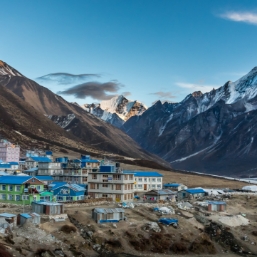


Overnight flight to Kathmandu.
Arrive Kathmandu. Meeting and assistance on arrival by Novaturient’s representative and transfer to Hotel Yukhang for 2 nights stay.
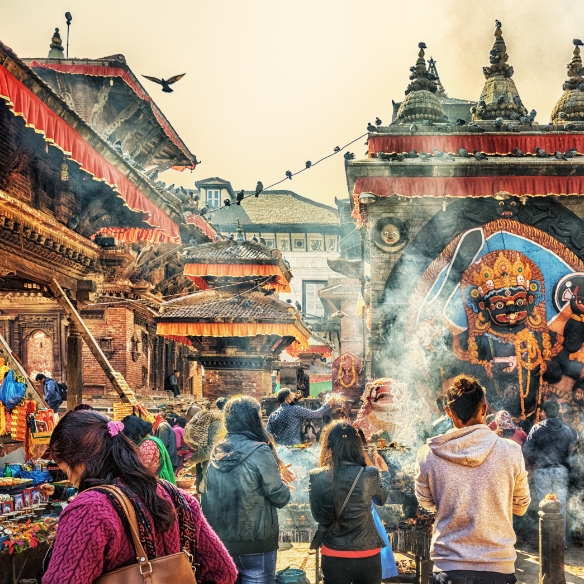
Morning visit to the Swayabhunath Stupa – an outstanding 2500 years old Buddhist site. Visit to Kathmandu Durbar square – the ancient royal residential quarter and open museum of Pagoda Style Temples listed as a UNESCO World Heritage Site. It boasts superb craftsmanship in wood and metal. The Living Goddess’ residence lies nearby. Afternoon sightseeing of Bodhnath – the world’s largest stupa of Tibetan Buddhist culture, and finally, the Pashupatinath Temple – the Holiest shrine for Hindus dedicated to Lord Shiva. It’s also a site for Hindu cremation.
Fly to Pokhara- known as the City of Paradise and the gateway to Annapurna trekking. Drive to Hotel City Park for overnight stay. Afternoon visit the The Old Bazaar, Devi’s Fall – a popular spot where the stream disappears underground, Gupteswor cave and Seti gorge- a beautiful unique natural phenomenon where the fast flowing water of the Seti river flows deep down the gorge, cutting the high Mahabharat range. Also experience a short boat ride on Lake Phewa.
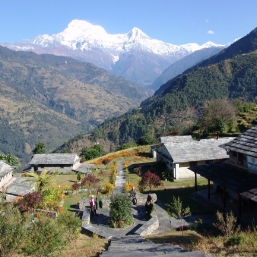
After a short briefing at the Ker & Downey head office, transfer by road with guide and porters to the trek start point. The walk follows a ridgeline in the lower foothills of the Annapurna with surrounding views of the Pokhara Valley. The route then drops to the Modi River Valley, where Ker & Downey’s Sanctuary Lodge is located. The lodge has magnificent views of the sacred and unclimbed Fishtail Mountain, or Machhapuchhre, as it’s locally known. A picnic lunch is provided with a late afternoon arrival at the Lodge. Stay at Ker and Downey Sanctuary Lodge for 1 night.
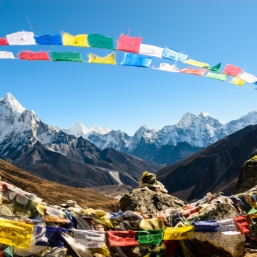
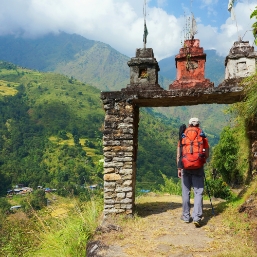
After breakfast leave the lodge to start the trek through the scattered small farms. Following the Modi Khola and with a constant view of Mt. Machhapuchhre ahead, climb the valley towards the mountains. Passing through the rice fields and forest, arrive at the Himalaya Lodge in Ghandruk early afternoon to a hot lunch and enjoy the spectacular views of Annapurna Massif. Stay at Ker and Downey Himalaya Lodge for 1 night.
Leaving the Ghandruk village, the trek descends steeply to the banks of the Modi River. Crossing the suspension bridge, trek up to the Landruk village with marvellous views of the Annapurna range. Pass the cliffs where honey hunters climb up on ropes to hunt the wild bee honey. Lunch will be ready when we arrive at our lodge. After the lunch, rest in your room or go on a sightseeing tour in the village with your guide. Stay at Ker and Downey La Bee Lodge for 1 night.
After breakfast continue the trek passing through farmlands with views of Annapurna behind. An easy trek to Majhgaon today, before arriving at the Ker and Downy Lodge. Marvellous views of the mountains with time to relax in the garden. You can also take a short walk to the village with the guide. Stay at Ker and Downey Gurung/Mala Lodge for 1 night.
Your trek today continues towards Patlekhet, a small village on the way towards Pothana. Pothana is a small village along the route used by Tibetan traders to sell their souvenirs and gifts to the tourist trekking up and down to the Annapurna Base Camp. As you reach your lodge in Dhampus, get a spectacular view of the entire Annapurna range. Once at the lodge tuck into a hot lunch, and then, if you want, take a short walk into Dhampus village. Stay at Ker and Downey Basanta Lodge for 1 night.
After breakfast depart along the ridge and descend through the wooded hillside and terraced farmland to the valley floor. Trek time 1 ½ hours. Then transfer by vehicle to the hotel in Pokhara (40 minutes). Stay at the City Park Hotel for 1 night.
Fly back to Kathmandu. Checking in at the Hotel Yukhang for 1 night. Rest of the day at leisure or explore the nearby area. Evening authentic Nepali Dinner with culture show at a local restaurant.
Transfer to the airport to board your return flight back home.
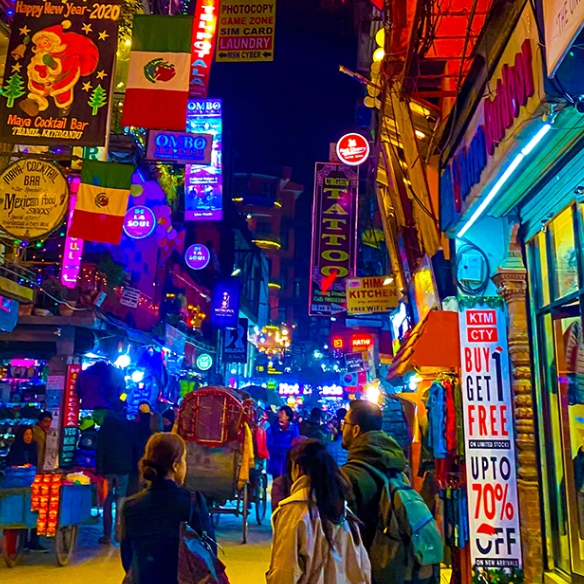
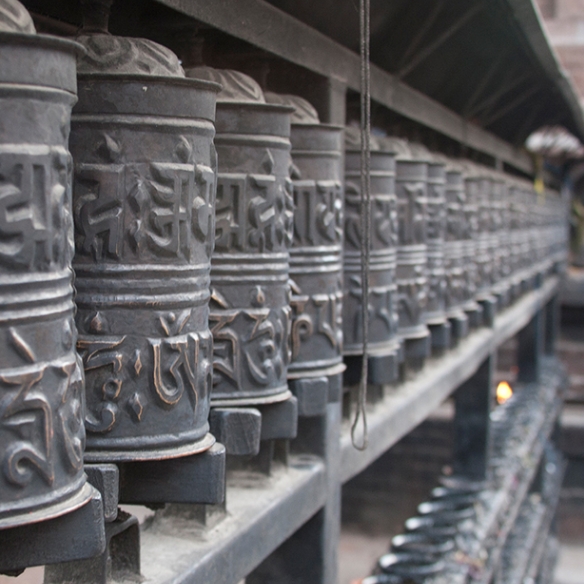
Our Nepal itineraries are designed to reveal the country’s diversity while respecting its rhythm and pace. Travel with knowledgeable local guides, explore UNESCO-listed heritage sites, and venture into scenic regions that showcase Nepal’s natural beauty. From cultural tours to soft-adventure journeys, every itinerary is personalised to suit your interests and comfort.
To help you plan your journey with confidence, the FAQs below provide essential travel information for UK travellers visiting Nepal, including visa requirements, passport validity, health guidance, and practical travel advice.
Yes. UK passport holders require a visa to enter Nepal. A tourist visa can be obtained on arrival at Kathmandu International Airport and major land border crossings, or arranged in advance.
Tourist visas are available for 15, 30, or 90 days. Extensions can be arranged locally through the Department of Immigration in Nepal.
Your passport must be valid for at least six months from your date of entry into Nepal and contain at least one blank page.
Yes. Nepal is suitable for first-time visitors, particularly when travel is well organised. Guided tours and local expertise help ensure a comfortable and enriching experience.
The local currency is the Nepalese Rupee (NPR). Credit cards are accepted in larger hotels and tourist areas, but cash is essential for rural regions and trekking routes.
Nepal is generally safe for tourists, especially when travelling with licensed guides and reputable operators. Standard travel precautions are advised.
No mandatory vaccinations are required for entry. Travellers are advised to be up to date with routine vaccinations and seek medical advice before travel, particularly for trekking or rural travel.
Layered clothing is recommended due to varying temperatures, especially in mountain regions. Modest dress is advised in temples, monasteries, and rural areas. Sturdy walking shoes are essential.
The most popular times to visit are spring (March–May) and autumn (September–November), offering clear skies and ideal conditions for sightseeing and trekking.
Travel within Nepal can involve domestic flights, road journeys, and guided transport. Travel times can be longer in mountainous areas, so itineraries are usually planned at a relaxed pace.
Yes. Comprehensive travel insurance is strongly recommended, particularly if trekking or engaging in outdoor activities. Insurance should cover medical evacuation where necessary.
Yes. Nepal offers a wide range of experiences suitable for families, couples, and adventure travellers, from cultural tours and wildlife to gentle walking and scenic stays.


