From cultural discoveries to breathtaking natural wonders, this itinerary is designed to inspire every type of traveller. Each experience has been carefully selected to offer meaningful insight, memorable stories, and a deeper connection to the places you visit.



Overnight flight to Kathmandu.
Arrive Kathmandu, met by our Novaturient representative and transferred to the Hotel Shangri-la for 2 nights stay.
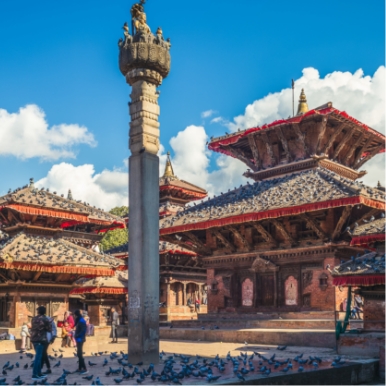
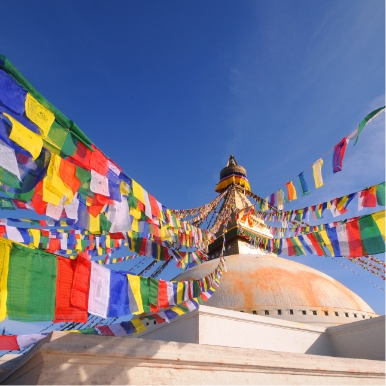
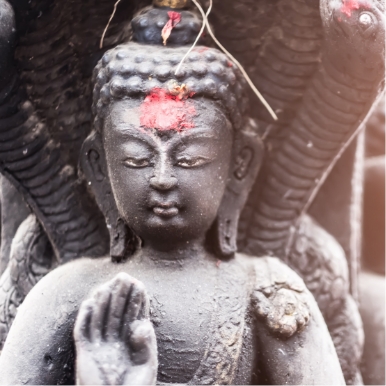
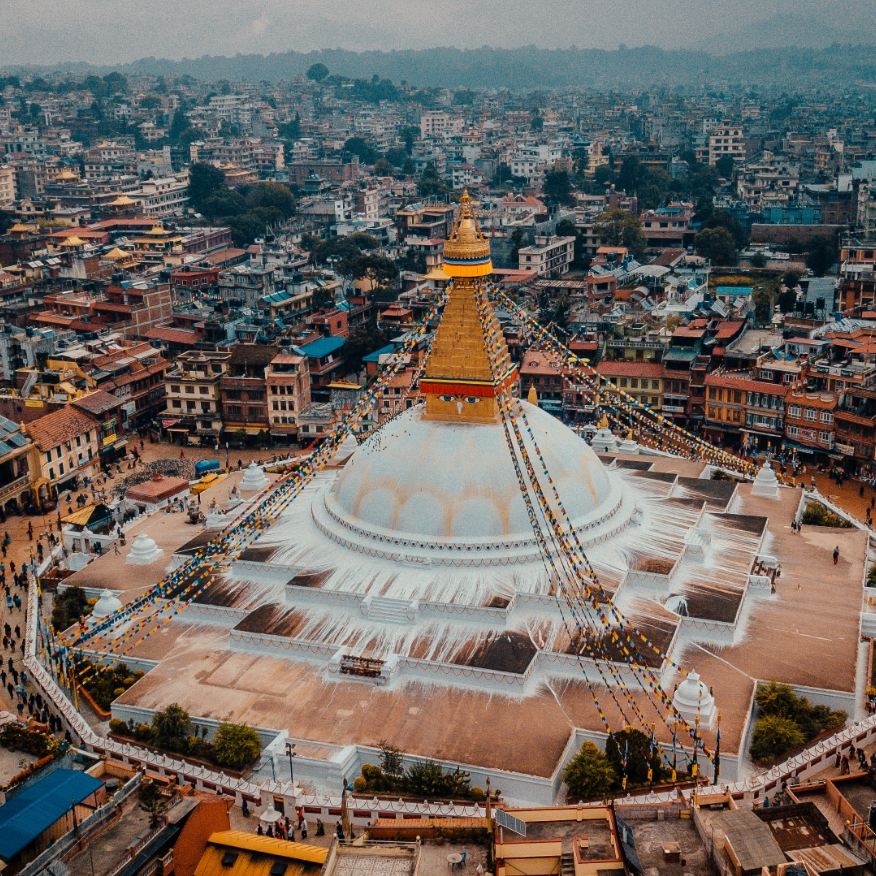
Morning visit the Swayambhunath Stupa, filled with intense symbolism and meaning for devotees. Continue on to the Kathmandu Durbar Square. The whole area is a virtual open-air museum and listed as a UNESCO Heritage Site. Visits will include the Royal residence and museums: as you walk around note the superb craftsmanship – particularly the wood and metal carvings. Afternoon sightseeing of Bodhnath – the largest stupa in the Tibetan Buddhist culture. Next visit Pashupatinath Temple – the Holiest shrine for Hindus dedicated to The Lord Shiva, and also a poignant site used for Hindu cremation.
Take a spectacular short mountain flight to Lukla (the start point for the trek). Watch out for your first awesome sight of the fabled mountain. After meeting your Sherpa guide and team start the trek with a gentle downhill hike on pitched stone trails, and pass the enormous mani stone at Thado Koshi. A late lunch will be taken at YMH Phakding. The afternoon is free to rest in the riverside gardens or sun lounge.
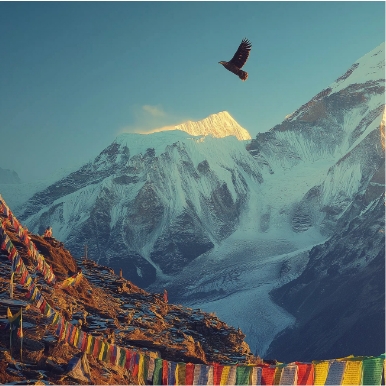
After breakfast, trek to Namche crossing a stream and climbing the terraced hill from the Dudh Koshi route. Stop for lunch at the small village of Monjo situated at 2840 m. Then descend through the National Park, cross a suspension bridge and walk a short distance alongside the Bhote Koshi. Next ascend to Tup Dhara and see Mount Everest in the distance! Continue climbing gradually up to Namche Bazaar – the Sherpa capital. Stay for 2 nights in YMH Namche.
This morning take a gentle walk to acclimatize with the altitude. After lunch relax or perhaps head down to the Namche market to browse the shops and explore the town.
After breakfast begin your walk to Thame passing through a beautiful pine forest and close to Sherpa homes. This trail forms part of the route to Tibet, which, over 800 years ago the Sherpa’s used to migrate from eastern Tibet. A lunch stop is made at Thamo – home to Ang Rita Sherpa, who holds the record for scaling Everest ten times without oxygen. After lunch ascend gradually, passing a Monastery where nuns live, before arriving at Samden. Then you descend to the bridge, cross Bhote Koshi River and finally ascend to Thame Village. Overnight at YMH Thame.
Today start heading back towards Lukla. A steep descent takes the trek through small Sherpa settlements. There will be time for occasional stops to explore them. The villages are slightly off the beaten track and not usually frequented by trekkers. Finally, reach the Everest Trail and continue your trek to Monjo. Stay 1 night in YMH Monjo.
Last day trekking…..with a bit of a sting in the tail! It’s around 3 hours walk to Lukla, with the last hour very much uphill. On the way though, there will be drink stops and a chance to visit Chaurikharka High School and Kyongma Monastery. After lunch free to explore – you may like to visit the PasangLhamu Foundation hospital or nearby hamlets. Time for a final farewell to your porter and trekking crew. Overnight in YMH Lukla.
Fly back to Kathmandu. Relax before an evening of Nepali cuisine and culture in a local restaurant. Overnight Shangri-La.
Transfer to the airport to board your return flight home.
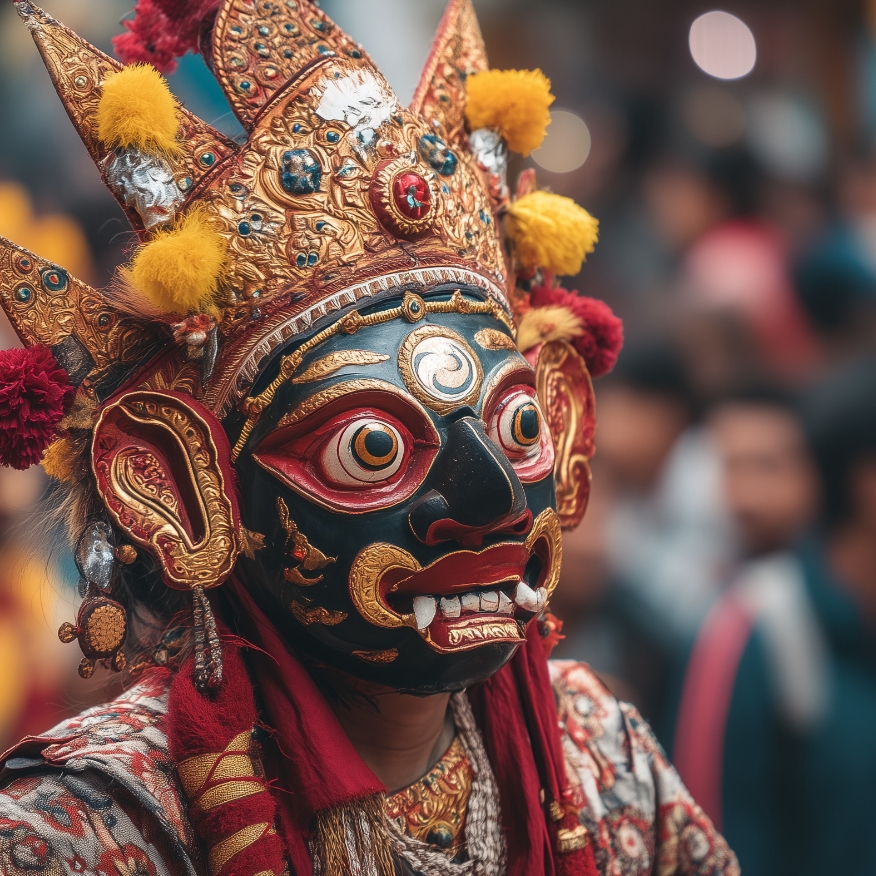
Our Nepal itineraries are designed to reveal the country’s diversity while respecting its rhythm and pace. Travel with knowledgeable local guides, explore UNESCO-listed heritage sites, and venture into scenic regions that showcase Nepal’s natural beauty. From cultural tours to soft-adventure journeys, every itinerary is personalised to suit your interests and comfort.
To help you plan your journey with confidence, the FAQs below provide essential travel information for UK travellers visiting Nepal, including visa requirements, passport validity, health guidance, and practical travel advice.
Yes. UK passport holders require a visa to enter Nepal. A tourist visa can be obtained on arrival at Kathmandu International Airport and major land border crossings, or arranged in advance.
Tourist visas are available for 15, 30, or 90 days. Extensions can be arranged locally through the Department of Immigration in Nepal.
Your passport must be valid for at least six months from your date of entry into Nepal and contain at least one blank page.
Yes. Nepal is suitable for first-time visitors, particularly when travel is well organised. Guided tours and local expertise help ensure a comfortable and enriching experience.
The local currency is the Nepalese Rupee (NPR). Credit cards are accepted in larger hotels and tourist areas, but cash is essential for rural regions and trekking routes.
Nepal is generally safe for tourists, especially when travelling with licensed guides and reputable operators. Standard travel precautions are advised.
No mandatory vaccinations are required for entry. Travellers are advised to be up to date with routine vaccinations and seek medical advice before travel, particularly for trekking or rural travel.
Layered clothing is recommended due to varying temperatures, especially in mountain regions. Modest dress is advised in temples, monasteries, and rural areas. Sturdy walking shoes are essential.
The most popular times to visit are spring (March–May) and autumn (September–November), offering clear skies and ideal conditions for sightseeing and trekking.
Travel within Nepal can involve domestic flights, road journeys, and guided transport. Travel times can be longer in mountainous areas, so itineraries are usually planned at a relaxed pace.
Yes. Comprehensive travel insurance is strongly recommended, particularly if trekking or engaging in outdoor activities. Insurance should cover medical evacuation where necessary.
Yes. Nepal offers a wide range of experiences suitable for families, couples, and adventure travellers, from cultural tours and wildlife to gentle walking and scenic stays.


