
Nepal In Style
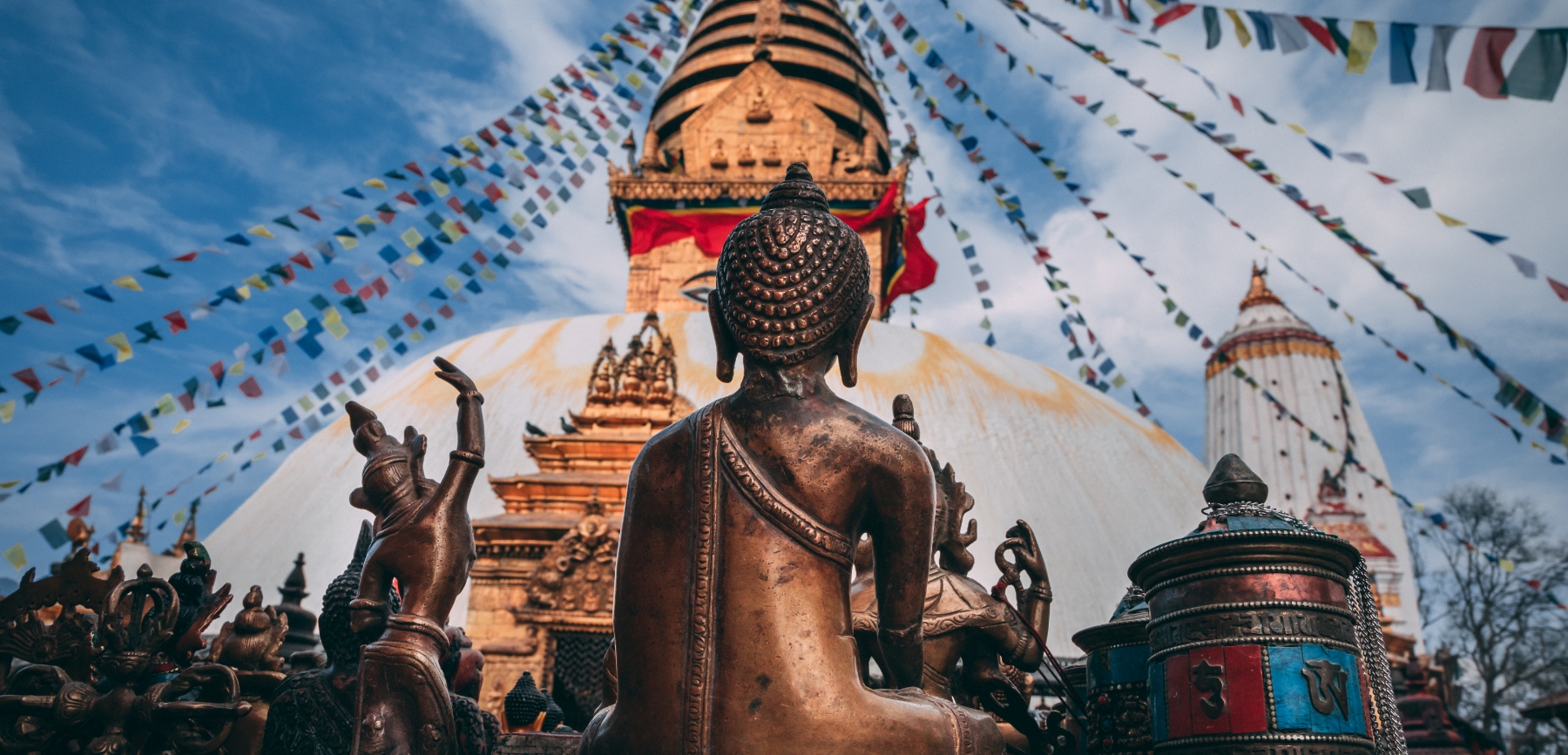
From cultural discoveries to breathtaking natural wonders, this itinerary is designed to inspire every type of traveller. Each experience has been carefully selected to offer meaningful insight, memorable stories, and a deeper connection to the places you visit.



Overnight flight to Kathmandu.
Arrive Kathandu. Meeting and assistance on arrival by our local representative and transfer to Hotel Dwarika for 3 nights stay. Evening visit Bodhnath – the world’s largest stupa of Tibetan Buddhist culture to witness Kora (ritual clockwise circumnavigation) by devotees.
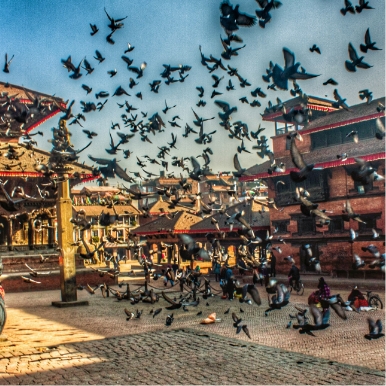
Morning visit Swayabhunath Stupa a crowning glory of the Kathmandu Valley. The deeply symbolic stupa is an astounding sight. It’s also called the Monkey Temple. Next visit the Kathmandu Durbar Square, an outstanding UNESCO World Heritage site. The Newar craftsmanship is simply superb. Visits will include the Royal residential quarter and museums. Indeed, the site is a veritable open-air museum. The Living Goddesses residence lies nearby. Afternoon sightseeing of Patan – known as the City of Art and Craft. It’s the centre of Buddhist and Hindu culture, rich in historic Temples and Monasteries. See the incomparable Durbar Square and the Golden Temple. Wander the numerous shops selling locally made goods.
Take a spectacular early morning helicopter flight to Lukla in the Everest region. After short stops for refueling continue the flight over Everest base camp. This flight is a truly amazing experience with glorious vistas of mountains, lakes and glaciers. Fly onto YMH- Kongde – one of the highest lodges in the world at 4250m. At the lodge, a delicious breakfast will be laid out and served by Sherpa staffs. The views from here are outstanding – to say the least! The highlight, clouds permitting, is the pyramid tip of Everest itself. Other peaks soaring skyward include Lhotse, Nuptse, Cho-Oyo and Ama Dablam. The spectacular Khumbu valley can also be seen. After breakfast, fly back to Lukla and then back to Kathmandu. Rest of the day at leisure.
Fly to Pokhara. Known as the City of Paradise it’s the gateway to Annapurna trekking. Visit the Peace Stupa, built by the Japanese monk Morioka Sonin in 1947, as a symbol of world peace. The views from here are superb of the Annapurna Ranges and Pokhara City. After a short boat trip on Lake Phewa check in at the Tiger Mountain Pokhara Lodge for 2 nights stay.
Enjoy the glorious morning sunrise from the Lodge. A Day to relax and unwind in the resort or if preferred, a tailored programme can be designed to meet your personal preferences.
Morning fly to Bharatpur and drive to Chitwan National Park in the Terai Lowlands of south-central Nepal. The country’s famous National Park covers an area of 360 square miles and is home to a variety of rare wildlife including Bengal tigers and leopards. Asiatic rhinoceros and Asian elephants also live here. Check in at the Taj Meghauli Serai for 2 nights stay. Afternoon explore the fascinating jungle seeking out elusive Gharial crocodiles, maybe a spot a python or even the one horned rhino.
Experience the real wilderness inside the jungle accompanied by an experienced guide. Go in search of the majestic Royal Bengal tiger, wild boar, bear, leopard and bison. Visit a tribal Tharu village, where you’ll be welcomed inside their traditional mud houses. At the end of the day,unwind, next to a roaring campfire, watching the mesmerizing Tharu cultural show and listening to their soothing folk songs.
Fly back to Kathmandu and visit Bhaktapur – the City of Devotees listed as a World Heritage site by UNESCO for its rich culture. Wood, metal and stone artworks abound. Finally, a short drive to Dhulikhel where you’re greeted by a wonderful panoramic view of the Langtang ranges. Stay at The Dwarika Resort for 2 nights.
Enjoy complimentary in-house rejuvenating activities, including Group Yoga/Meditation and Chakra Therapy. Perhaps unwind in a hot tub or dry sauna. If feeling energetic walk around the area on your own to explore the local villages.
Transfer to Kathmandu airport to board your return flight back home.
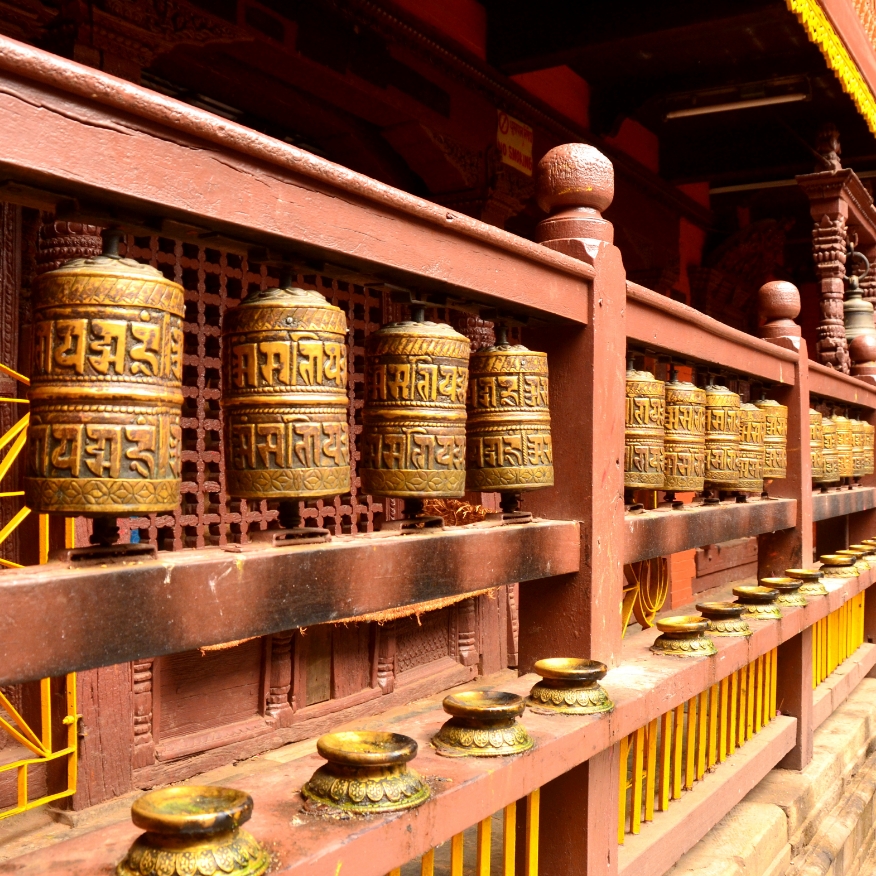
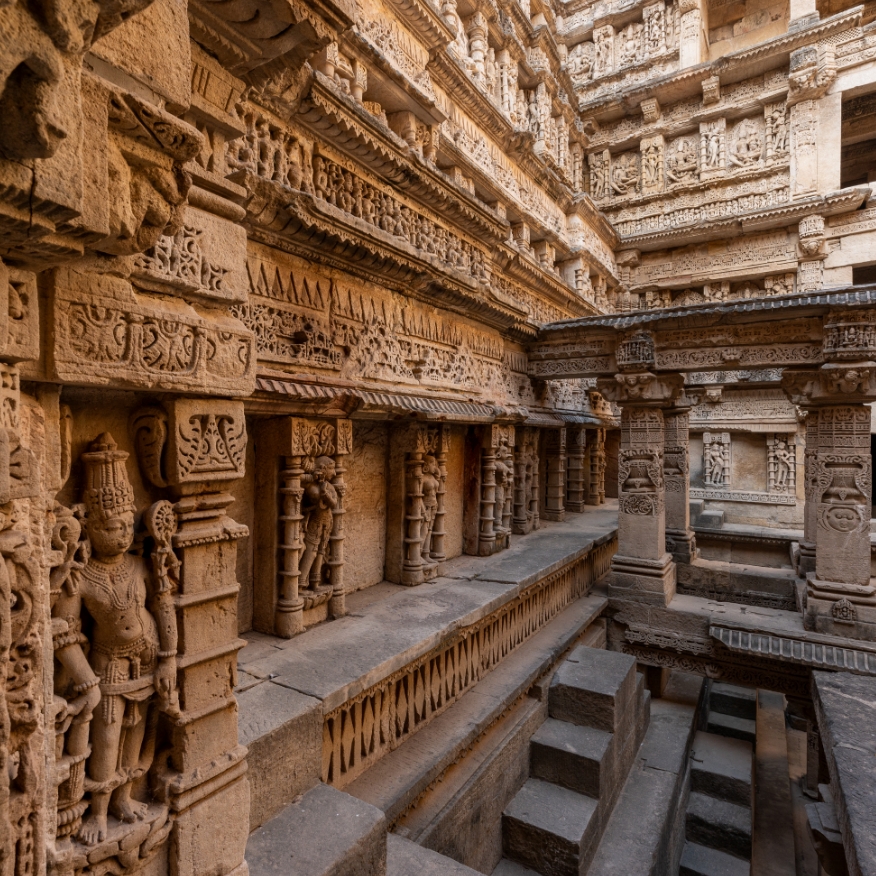
Our Nepal itineraries are designed to reveal the country’s diversity while respecting its rhythm and pace. Travel with knowledgeable local guides, explore UNESCO-listed heritage sites, and venture into scenic regions that showcase Nepal’s natural beauty. From cultural tours to soft-adventure journeys, every itinerary is personalised to suit your interests and comfort.
To help you plan your journey with confidence, the FAQs below provide essential travel information for UK travellers visiting Nepal, including visa requirements, passport validity, health guidance, and practical travel advice.
Yes. UK passport holders require a visa to enter Nepal. A tourist visa can be obtained on arrival at Kathmandu International Airport and major land border crossings, or arranged in advance.
Tourist visas are available for 15, 30, or 90 days. Extensions can be arranged locally through the Department of Immigration in Nepal.
Your passport must be valid for at least six months from your date of entry into Nepal and contain at least one blank page.
Yes. Nepal is suitable for first-time visitors, particularly when travel is well organised. Guided tours and local expertise help ensure a comfortable and enriching experience.
The local currency is the Nepalese Rupee (NPR). Credit cards are accepted in larger hotels and tourist areas, but cash is essential for rural regions and trekking routes.
Nepal is generally safe for tourists, especially when travelling with licensed guides and reputable operators. Standard travel precautions are advised.
No mandatory vaccinations are required for entry. Travellers are advised to be up to date with routine vaccinations and seek medical advice before travel, particularly for trekking or rural travel.
Layered clothing is recommended due to varying temperatures, especially in mountain regions. Modest dress is advised in temples, monasteries, and rural areas. Sturdy walking shoes are essential.
The most popular times to visit are spring (March–May) and autumn (September–November), offering clear skies and ideal conditions for sightseeing and trekking.
Travel within Nepal can involve domestic flights, road journeys, and guided transport. Travel times can be longer in mountainous areas, so itineraries are usually planned at a relaxed pace.
Yes. Comprehensive travel insurance is strongly recommended, particularly if trekking or engaging in outdoor activities. Insurance should cover medical evacuation where necessary.
Yes. Nepal offers a wide range of experiences suitable for families, couples, and adventure travellers, from cultural tours and wildlife to gentle walking and scenic stays.


