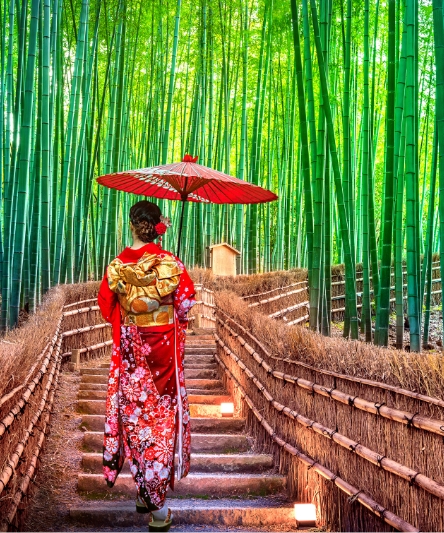
Quintessential Japan
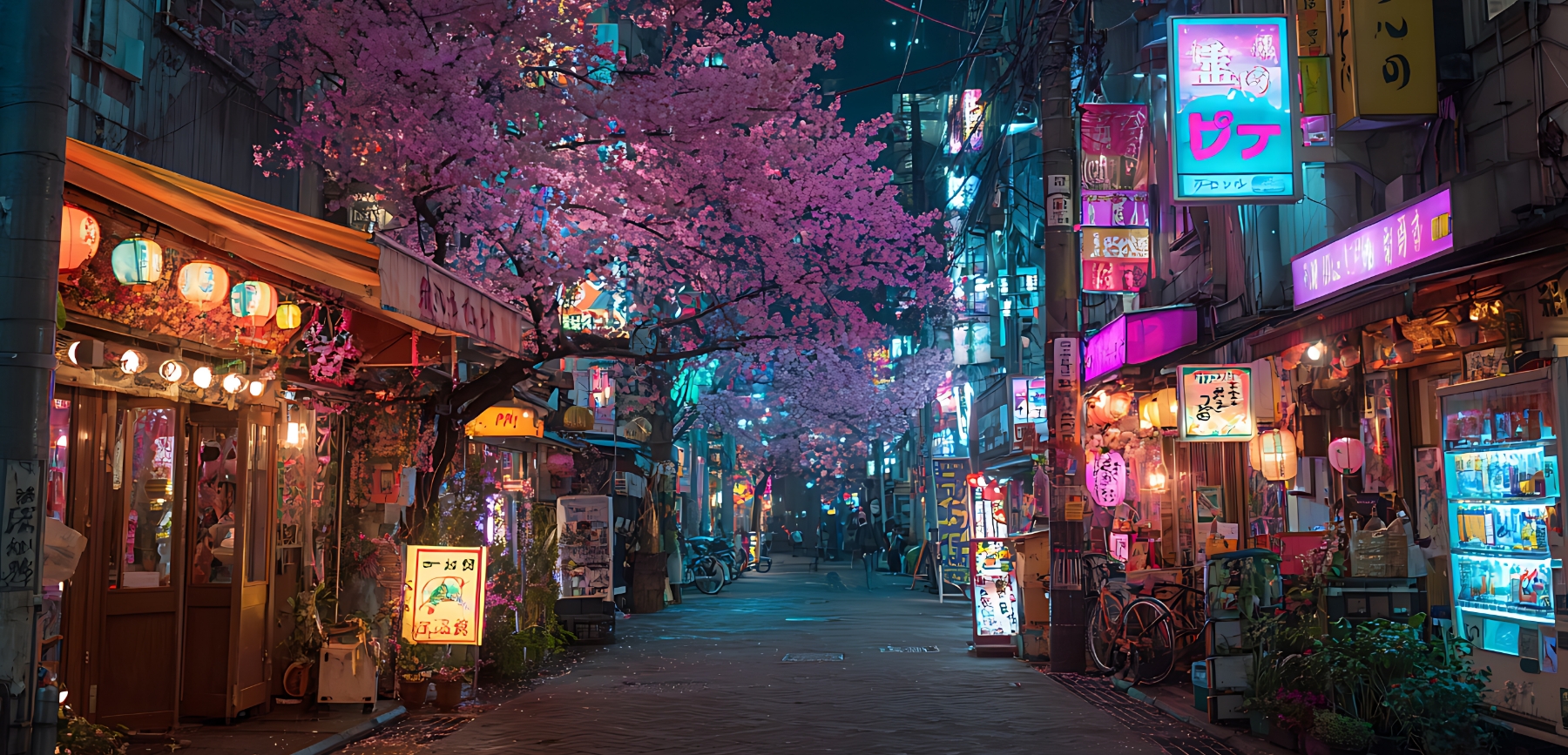
From cultural discoveries to breathtaking natural wonders, this itinerary is designed to inspire every type of traveller. Each experience has been carefully selected to offer meaningful insight, memorable stories, and a deeper connection to the places you visit.



Depart from the UK
From soaring modern skyscrapers to ancient Temples: Zen tranquillity to the pulsating city heart. Tokyo is a city of contrasts!
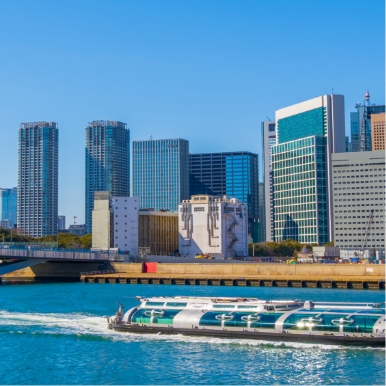
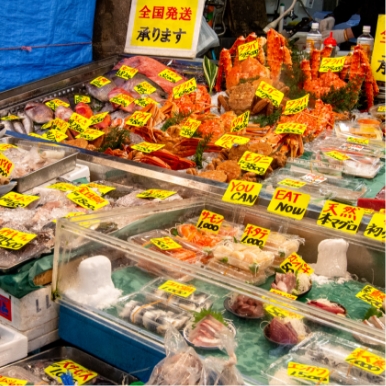
Tour highlights include exploring the old town including the Sensoji, Tokyo’s oldest Temple. Travel on a waterbus and see the Hamarikyu gardens, the Meiji Shrine and wander the amazing shopping areas. Learn the secrets of Japanese cuisine with a cookery lesson and visit the world’s largest fish market – the Tsukiji Market.
Tour highlights include exploring the old town including the Sensoji, Tokyo’s oldest Temple. Travel on a waterbus and see the Hamarikyu gardens, the Meiji Shrine and wander the amazing shopping areas. Learn the secrets of Japanese cuisine with a cookery lesson and visit the world’s largest fish market – the Tsukiji Market.
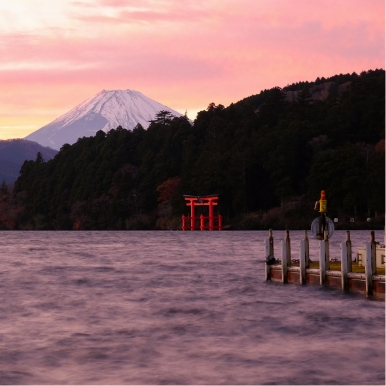
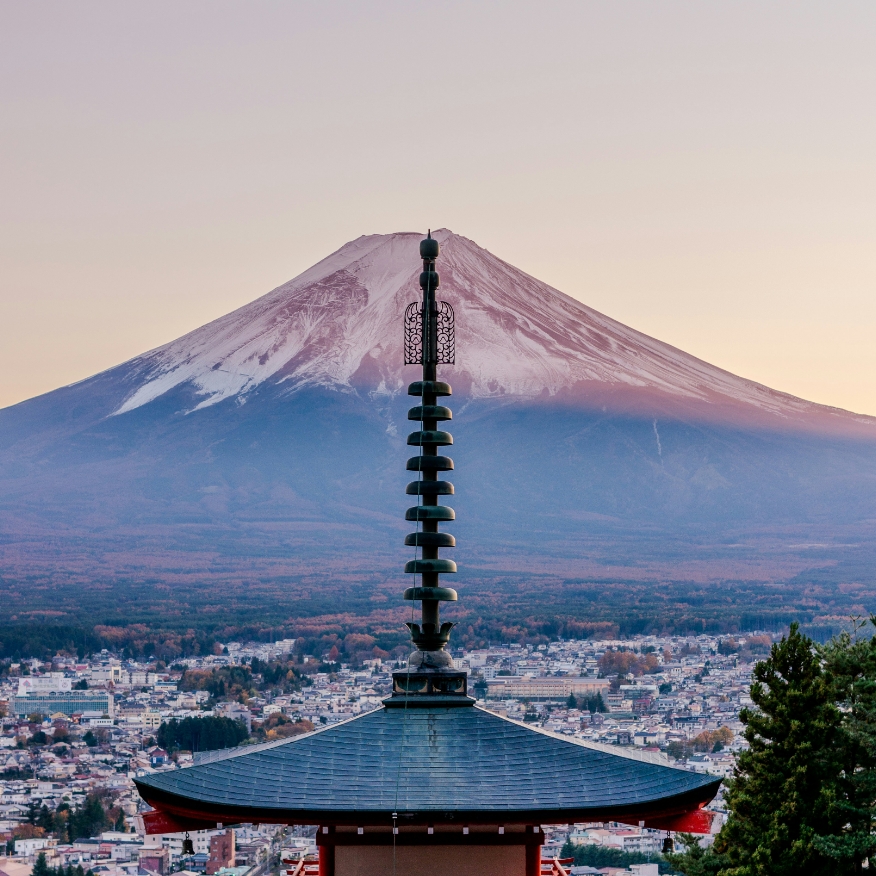
Take Japan’s world-famous Shinkansen bullet train to Hakone; a natural wonderland famed for hot springs, outdoor pursuits and the view of Mount Fuji. Stay in traditional Japanese Ryokan, sleeping on futons laid out on tatami mats. Relax with a piping hot onsen (hot spring) bath.
Take the famed Shinkansen bullet train to Nagoya. Then transfer to the Limited Express Hida Wideview train passing through the stunningly beautiful landscape to Takayama. Affectionally called Little Kyoto, Takayama has a plethora of Temples, festivals, rivers and bridges. Much of the area is untouched by modernisation.
At leisure to explore the delightful area.
Today will be self-guided using included coach tickets. Perhaps pay a visit to the UNESCO World Heritage Listed Shirakawago village, with its fascinating farmhouses’ steep thatched roofs, resembling the hands of Buddhist monks pressed together in prayer.
A day free to explore the city including the Kenrokuen, one of Japan’s “three best landscape gardens”. Visit Kanazawa Castle next to the garden. Wander the Nagamachi Samurai District, Saihitsuan Yuzen Silk Centre and the Nomura Samurai House – a traditional Japanese home with a tea-ceremony room.
Travel by train to Hiroshima with afternoon free to explore the city. Devastated by the first atomic bomb the city has risen like a phoenix.
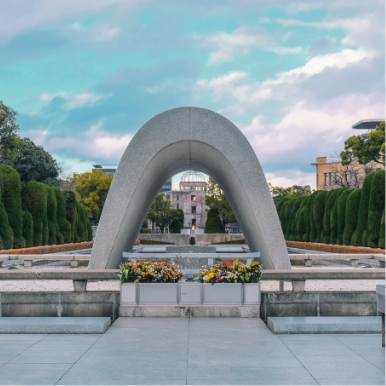
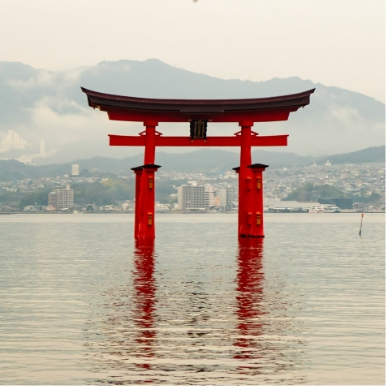
Tour today to see the Peace Memorial Park and its haunting museum, the rebuilt castle and gardens with a local guide. Then take a ferry ride to the sacred Miyajima Island. See the Floating Torii Gate, other shrines, Temples and sample local cuisine.
Take the train to Kyoto with its 17 UNESCO world heritage sites making it a city of outstanding culture with a plethora of Temples, shrines, gardens and palaces. Afternoon Japanese culinary class exploring Kyoto cuisine.
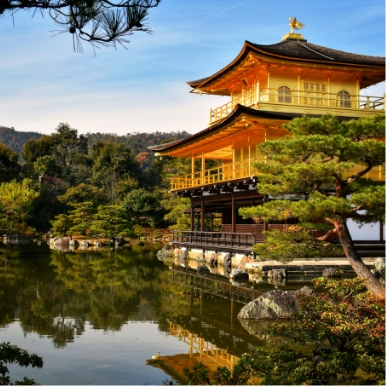
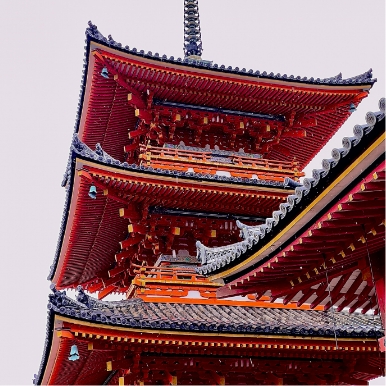
Today explore the former Imperial capital with local guide, utilizing Kyoto’s comprehensive bus system to visit some of Kyoto’s World Heritage Sites. Visit Kinkakuji Temple (Golden Pavilion. Nijo Castle – surrounded by stunning surrounding gardens. Walk down Nishiki Market, lined by more than one hundred shops and restaurants – known as “Kyoto’s Kitchen”. Optional visits include KiyomizuT or Sanjusangendo Temples.
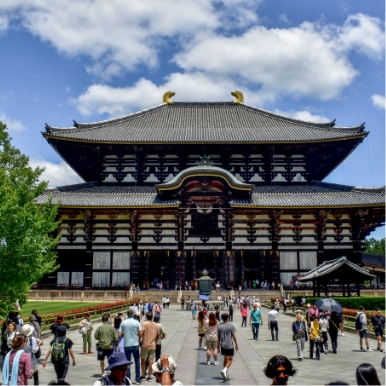
By train to Nara with a guide. Visit Todaiji Temple, the world’s largest wooden building and home to Japan’s largest Buddha. Next stop is Kasuga Taisha, established in 768 AD and famed for its hundreds of bronze and stone lanterns donated by worshipers. See Sake production and visit the ‘Deer Park’.
Return back to the UK
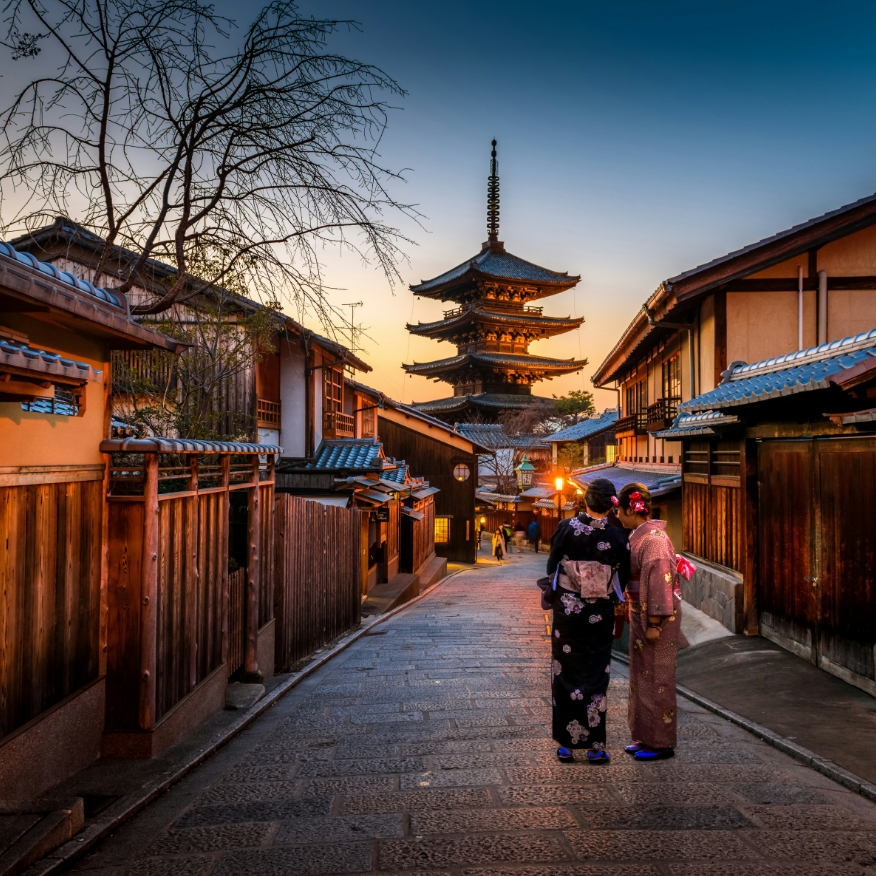
Our Japan itineraries combine classic highlights with quieter, more immersive experiences. Travel seamlessly by train between regions, discovering historic capitals, mountain towns, and coastal landscapes along the way. With expert guidance and careful planning, each tour offers a well-balanced journey that allows you to explore Japan in depth, without feeling rushed.
The FAQs below provide essential travel information to help you plan your journey to Japan with confidence. This includes visa requirements, passport validity, health guidance, and practical advice for UK travellers.
No. UK passport holders do not need a visa for short-term tourism. Visitors are permitted visa-free entry for up to 90 days.
Your passport must be valid for the entire duration of your stay in Japan. It is recommended to have at least one blank page.
UK travellers can stay in Japan for up to 90 days under the visa waiver programme. Extensions are generally not permitted for tourist visits.
Yes. Japan is very well suited to first-time visitors due to its excellent public transport, high safety standards, and clear visitor information. Travel is efficient and well organised.
The local currency is the Japanese Yen (JPY). While card use is increasing, cash is still widely used, particularly in smaller towns and traditional establishments.
Japan is considered one of the safest countries in the world, with very low crime rates and excellent public order.
No mandatory vaccinations are required for entry. Travellers should ensure they are up to date with routine UK vaccinations and have appropriate travel insurance.
Dress is generally casual and neat. Comfortable walking shoes are essential. Modest dress is recommended when visiting temples, shrines, and traditional areas.
Popular travel periods include spring (March–May) for cherry blossoms and autumn (September–November) for autumn foliage. Summer and winter offer fewer crowds and distinct seasonal experiences.
Yes. Japan has one of the world’s most efficient public transport systems, including high-speed trains, local rail, and buses, making travel between regions straightforward.
Yes. Comprehensive travel insurance is strongly recommended to cover medical care, cancellations, and unexpected disruptions.
Yes. Japan offers a wide range of experiences suitable for families, couples, and honeymooners, from cultural discovery and theme parks to scenic landscapes and luxury stays.